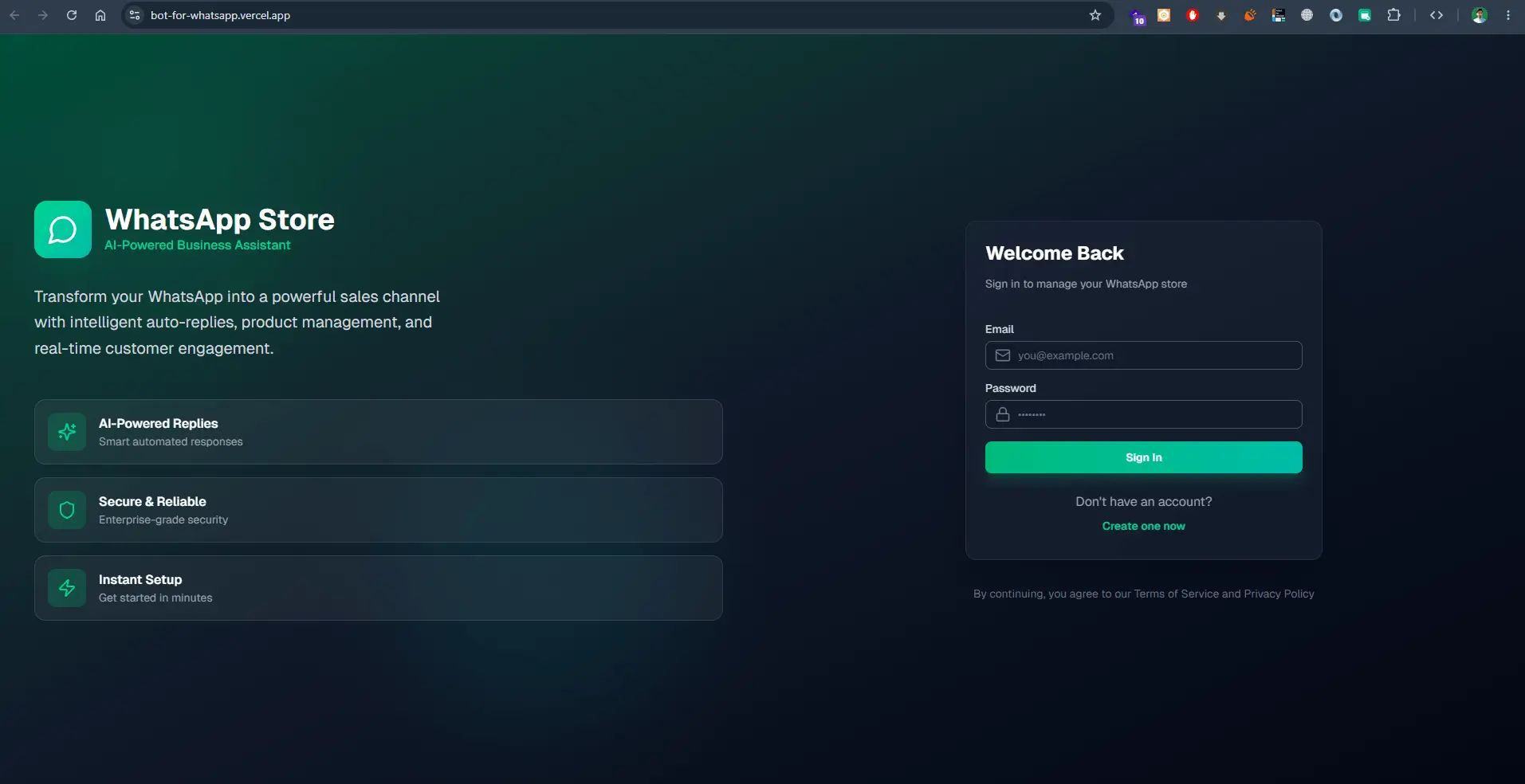
WhatsApp Store AI Assistant
AI-powered conversational sales assistant transforming WhatsApp into an automated store with instant replies and product management.
An AI agent is software that uses a language model to decide which steps to take and then carries them out through tools: looking up an order, checking stock, updating a record, sending a message or asking a person for approval. I build agents for WhatsApp and chat, document workflows and internal operations, with clear limits on what they may do, human review for risky actions and controls on running cost.
A written list of the tasks the agent handles, the tools it may call, what it may only read, what it may change, and what always goes to a person. This is the most important design decision and it comes first.
Small, well-defined functions the model can call, such as find product, check slot, create draft order or escalate, built on your existing APIs or database with validation on every input.
WhatsApp Cloud API, web chat or an internal interface, with conversation state, hand-off to a human and templates that follow channel rules.
Agents that read PDFs, forms or emails, extract the fields, compare them with your records and prepare the next action for review.
Retrieval-augmented generation over policies, product data or past answers, so the agent works from your sources rather than its general training.
Step limits, spending caps, approval queues for sensitive actions, a full log of every tool call and a test set of real cases to check quality before and after changes.
My AI and LLM integration work adds a single language-model step into an application: draft this reply, summarise this document, extract these fields. An agent is different. It runs a loop, deciding which tool to call next based on what it has learned so far, and it can change things in your systems. That makes agents more capable for tasks with several steps, and also more risky, because a wrong decision can become a wrong action. If a task can be done well with one model call or a fixed workflow, I will recommend that instead.
When an agent is the right fit, I keep it narrow. It gets only the tools the task needs, reads are separated from writes, actions involving money, customer commitments or deletions wait for a person to approve, and every step is logged so you can see why it did what it did. Cost is controlled with step limits, smaller models for simple decisions and caching where answers repeat, and measured against real examples before launch.
AI-powered conversational sales assistant transforming WhatsApp into an automated store with instant replies and product management.
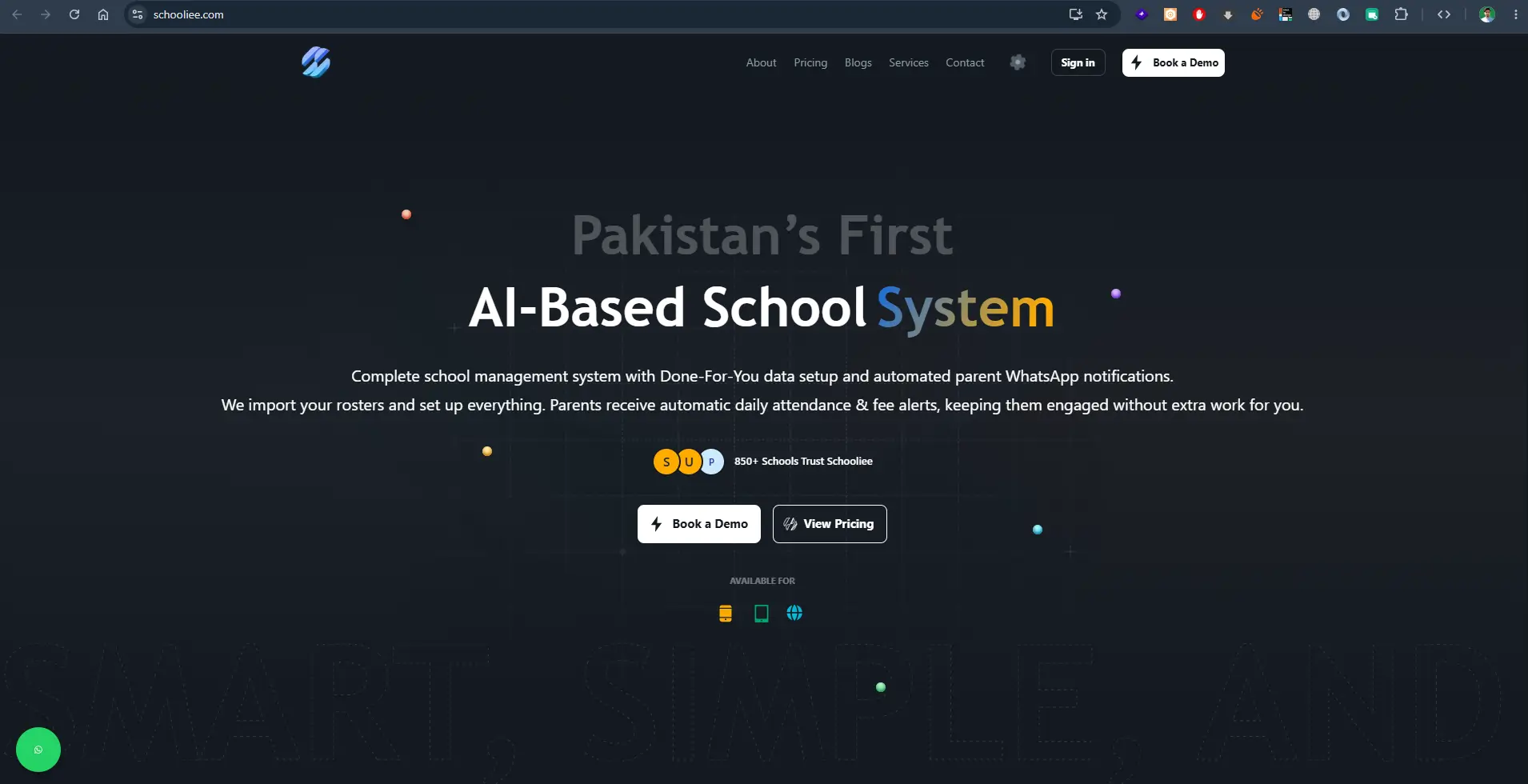
Pakistan's first AI-based school management system featuring automated parent WhatsApp notifications, rosters setup, attendance, and fee alerts.

AI-powered creative studio allowing users to generate high-resolution AI portraits, enhance images, remove backgrounds, and apply style filters.
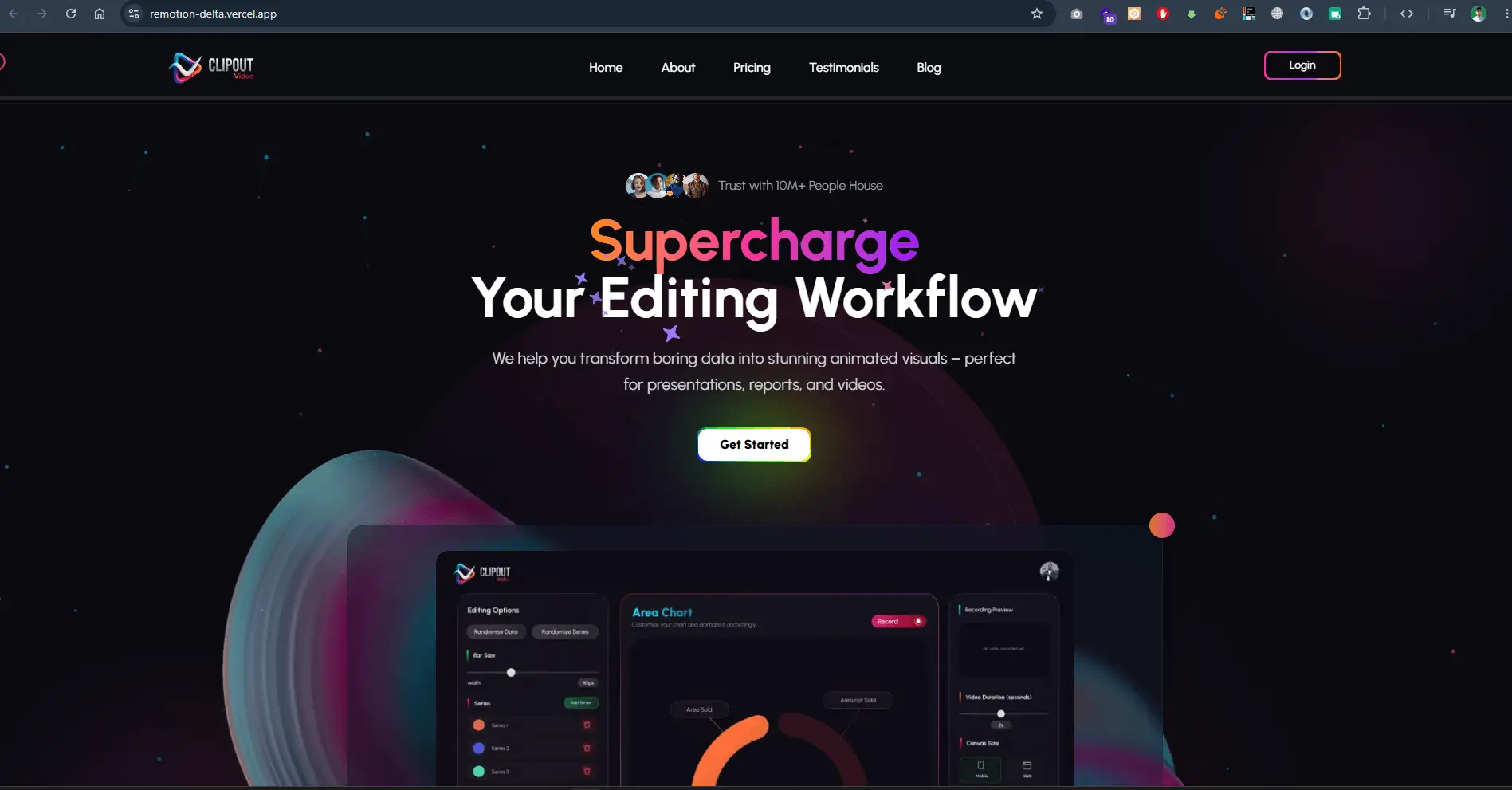
AI-driven video editing and data visualization platform that transforms raw data into animated visuals, presentation videos, and social clips.
Every estimate starts from your requirements. Request a quote with your users, must-have features, timeline and budget range, and I will reply with questions and a suggested first phase.
A typical chatbot answers questions. An agent can also act: it looks things up in your systems, fills in forms, creates records or sends messages, deciding the steps as it goes. That is why agents need permissions, approvals and logging that a simple chatbot does not.
LLM integration adds a single model step to software, such as drafting or extracting. Agent development is for tasks with several steps where the model chooses which tools to use and takes actions. Many projects start as an LLM feature and grow into an agent once the task is well understood.
Yes. Language models can misunderstand a request or choose the wrong step. Narrow scope, validated tool inputs, approval for important actions and a test set of real cases reduce the risk; they do not remove it. The agent should be designed so a mistake is caught before it costs anything.
By limiting the number of steps per task, using smaller models where they are good enough, caching repeated lookups and tracking cost per completed task. A prototype on real examples gives a cost estimate before you commit.
No. It only gets the specific tools it needs, each tool checks permissions on the server, and read access is separated from write access. Sensitive data can be excluded entirely or masked before it reaches the model.
Tell me what you want to build, who will use it and when you need it. I will reply with questions and a practical next step.
Discuss your project