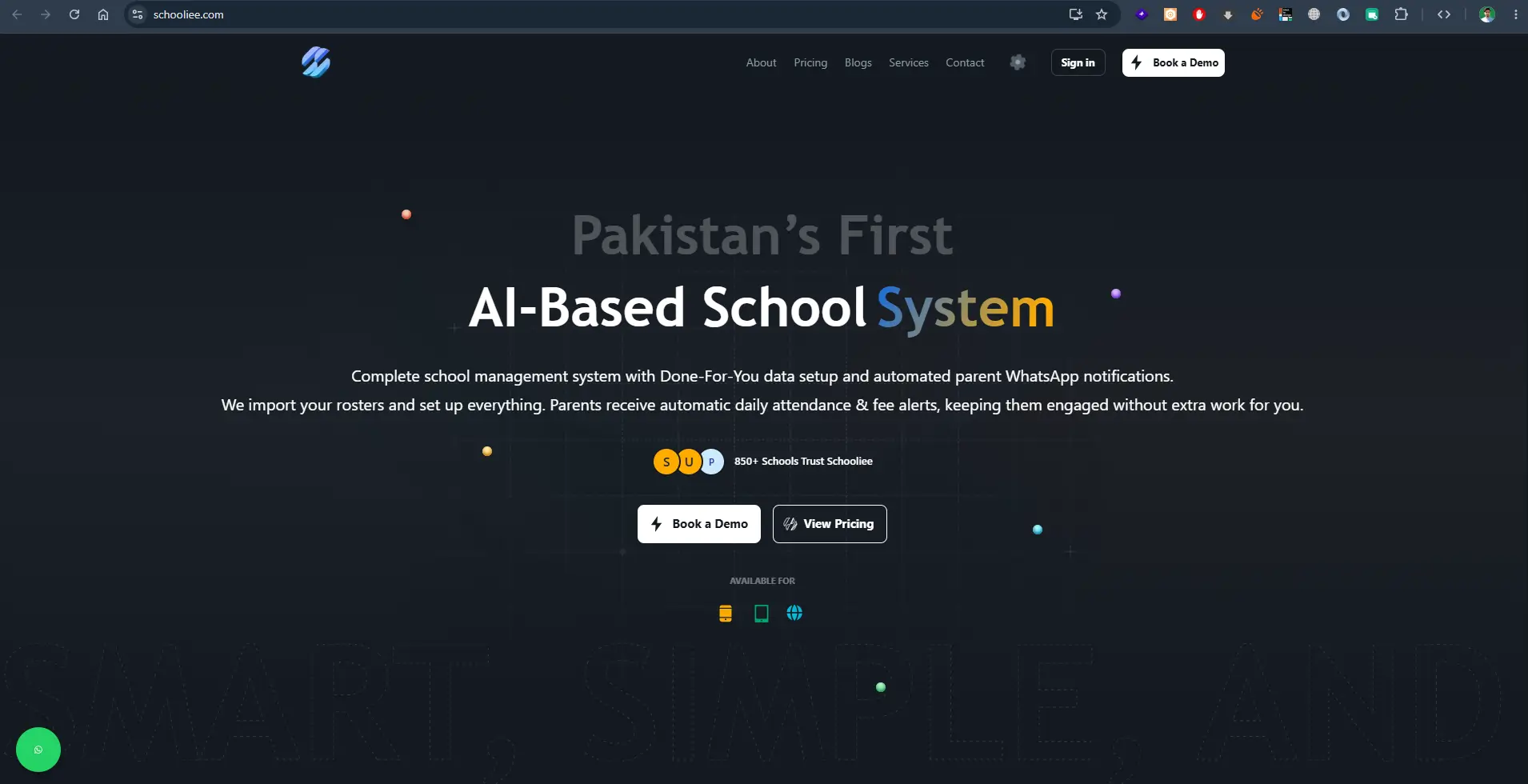
Schooliee AI-Based School System
Pakistan's first AI-based school management system featuring automated parent WhatsApp notifications, rosters setup, attendance, and fee alerts.
Business automation means letting software handle the repetitive steps people do by hand: sending reminders, copying data between tools, generating documents, updating statuses and chasing approvals. I build automation into your existing systems or as a small custom tool, using APIs, scheduled jobs and messaging channels such as WhatsApp and email.
Map the manual steps, how often they happen and what goes wrong, to find the automations with the biggest return.
Event-based and scheduled messages through WhatsApp Cloud API, email or SMS, with templates you can adjust.
Connections between forms, CRMs, spreadsheets, stores and databases so records stay consistent.
PDF invoices, receipts, reports or letters created from your data and sent or stored automatically.
Requests that move through the right people with status tracking, reminders and an audit trail.
Logs and alerts so you know when an automation fails instead of discovering it weeks later.
Good automation is narrow and dependable. I start with one high-volume, rule-based task, automate it end to end and measure the time it saves before moving to the next. Tasks that need judgement keep a person in the loop: the system prepares the work and the person approves it.
Where a no-code tool such as Zapier or Make already does the job well, I will recommend it. Custom automation is worth it when volume, data sensitivity, cost or complexity outgrow those tools, or when the automation needs to live inside your own application.
Pakistan's first AI-based school management system featuring automated parent WhatsApp notifications, rosters setup, attendance, and fee alerts.
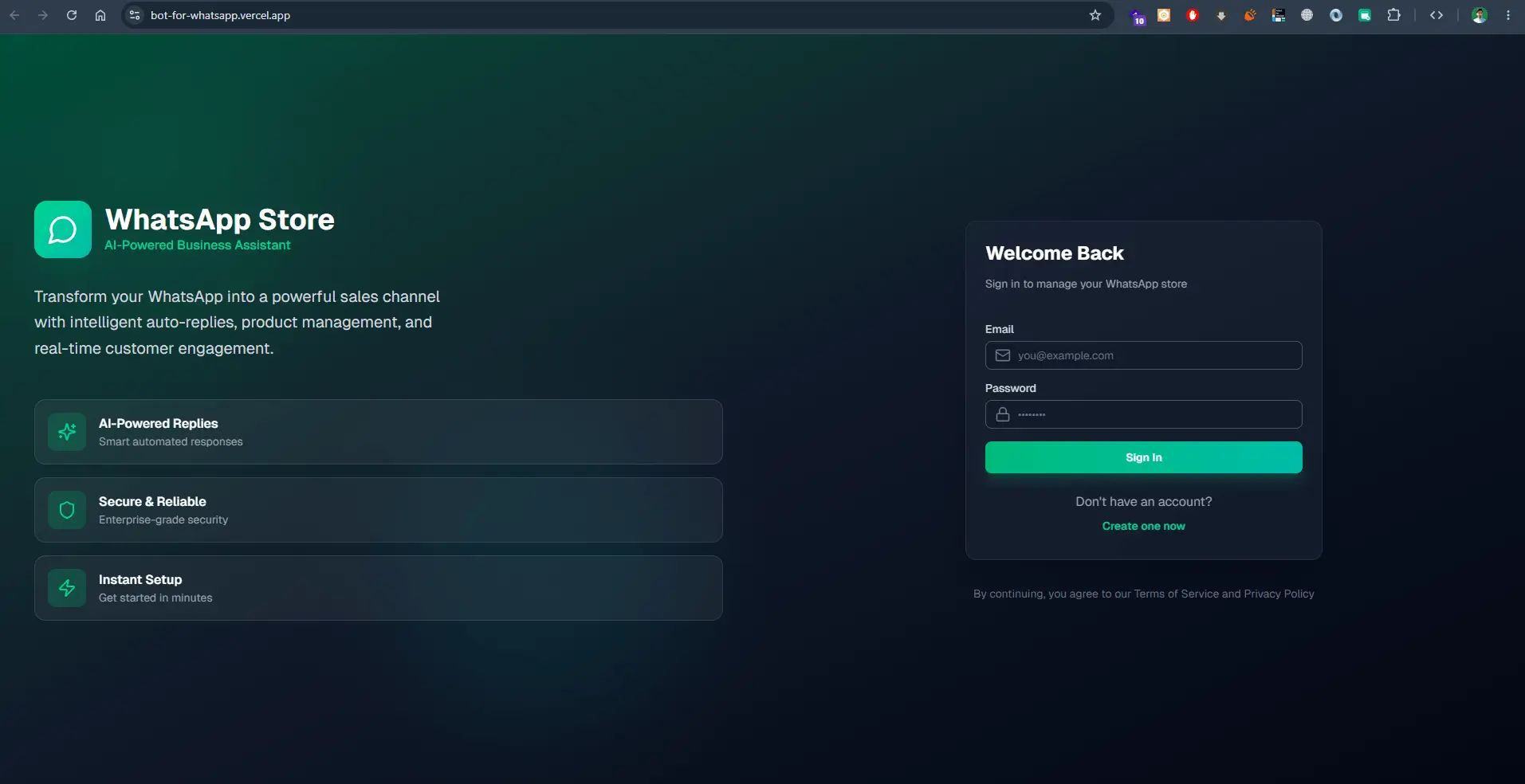
AI-powered conversational sales assistant transforming WhatsApp into an automated store with instant replies and product management.
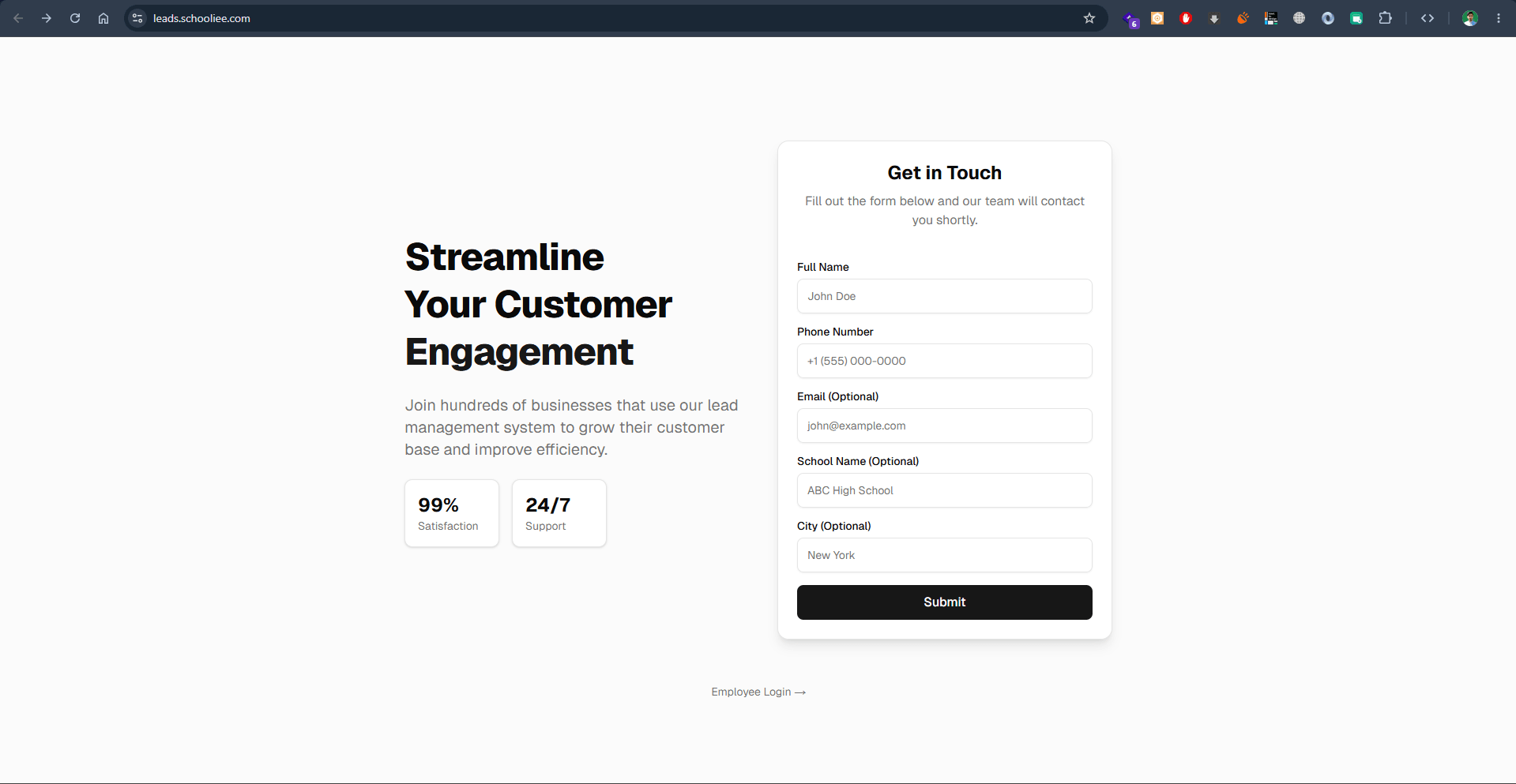
Customer engagement platform and lead collection CRM built for educational institutions to streamline student admissions and inquiries.
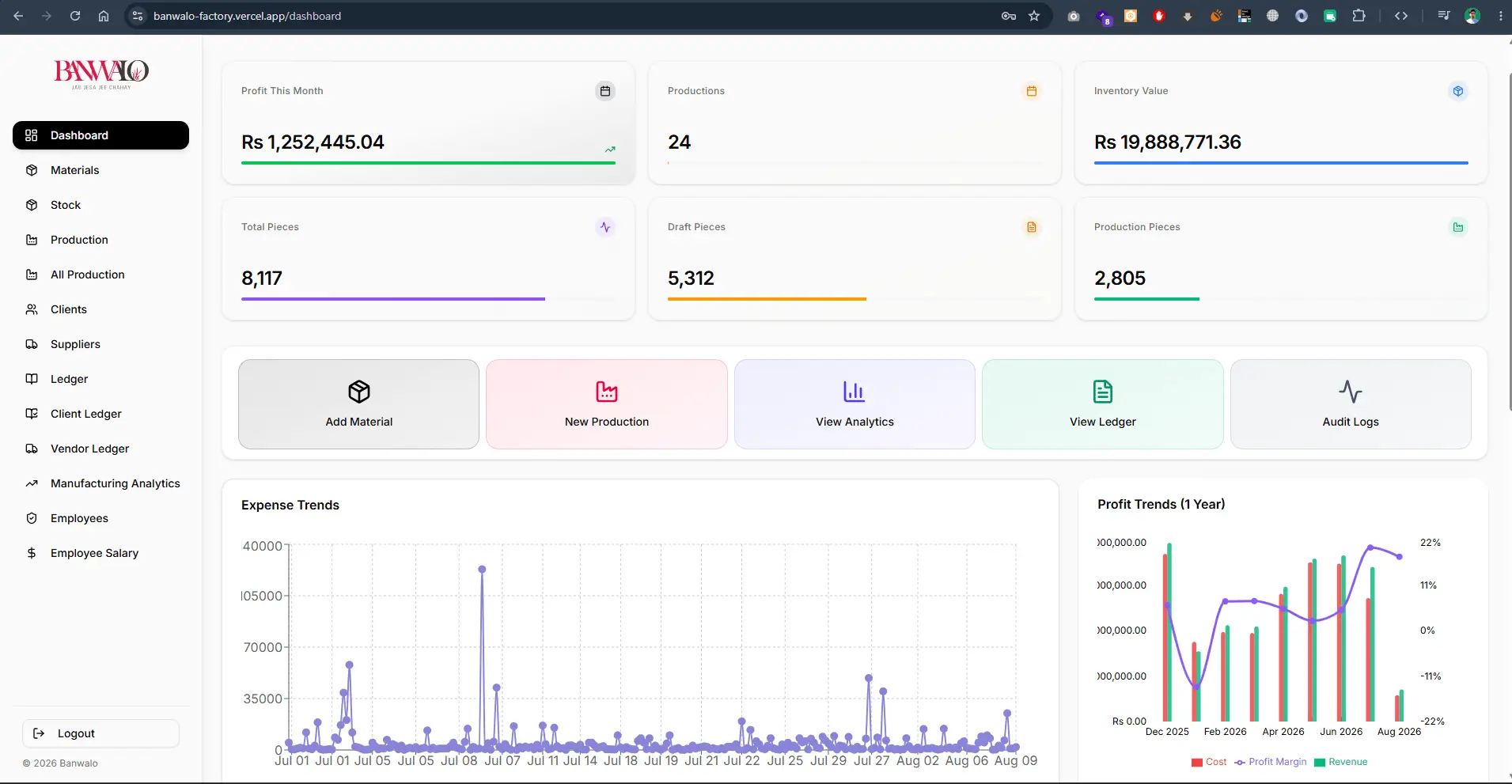
Enterprise manufacturing ERP dashboard tracking live profit trends, raw material stock, production stages, client/vendor ledgers, and automated payroll.
Every estimate starts from your requirements. Request a quote with your users, must-have features, timeline and budget range, and I will reply with questions and a suggested first phase.
For simple, low-volume automations they are often the right choice. Custom automation makes sense when volume makes per-task pricing expensive, when sensitive data should stay in your systems, or when the logic is too complex for a visual tool.
Yes, through the official WhatsApp Cloud API with a verified business account. Business-initiated messages use templates approved by Meta, and pricing depends on message type and country.
Automations are tested against real scenarios, log every action and alert someone on failure. Steps with financial or customer impact can require approval before they run.
Usually not. Most automation connects the tools you already use through their APIs.
Before building, we estimate how often the task happens and how long it takes. After launch, the automation's logs show how many tasks it handled.
Tell me what you want to build, who will use it and when you need it. I will reply with questions and a practical next step.
Discuss your project