Custom software vs off-the-shelf: how to decide
Buying software is faster and usually cheaper at the start. Building software fits your process exactly and becomes an asset you own. Most businesses do best with a mix of both. This guide gives a practical way to decide, based on how the software affects your daily work and your competitive position.
Key takeaways
- Buy when your process is standard and a product fits it with minor compromises.
- Build when the gap between the product and your process costs real time or money every week, or when the software is part of what you sell.
- Often the best answer is hybrid: keep proven products and build the missing piece that connects them.
- Compare total cost over several years, including subscriptions, workarounds and integration work, not just the first invoice.
When off-the-shelf software is the right choice
Accounting, payroll, email, CRM and project management are mature categories with excellent products. If your process looks like everyone else's in these areas, buying is almost always better: you get a tested product, support and new features without development risk.
- The process is standard in your industry
- A product covers most needs and the gaps are minor
- You need something working this week
- The software does not differentiate you from competitors
When custom software pays off
Custom software makes sense when your process is genuinely different or when generic tools force constant workarounds. Signs include staff copying data between systems, critical information living in spreadsheets, and paying for many seats in a product most people use for one feature.
It also makes sense when software is part of your offer: a customer portal, a booking experience, a SaaS product or an internal system that lets you deliver faster than competitors.
- Your workflow is unique or a source of competitive advantage
- Several tools must be glued together with manual work
- Per-seat subscription costs keep rising with your team
- You need control over data, features and roadmap
The hybrid approach
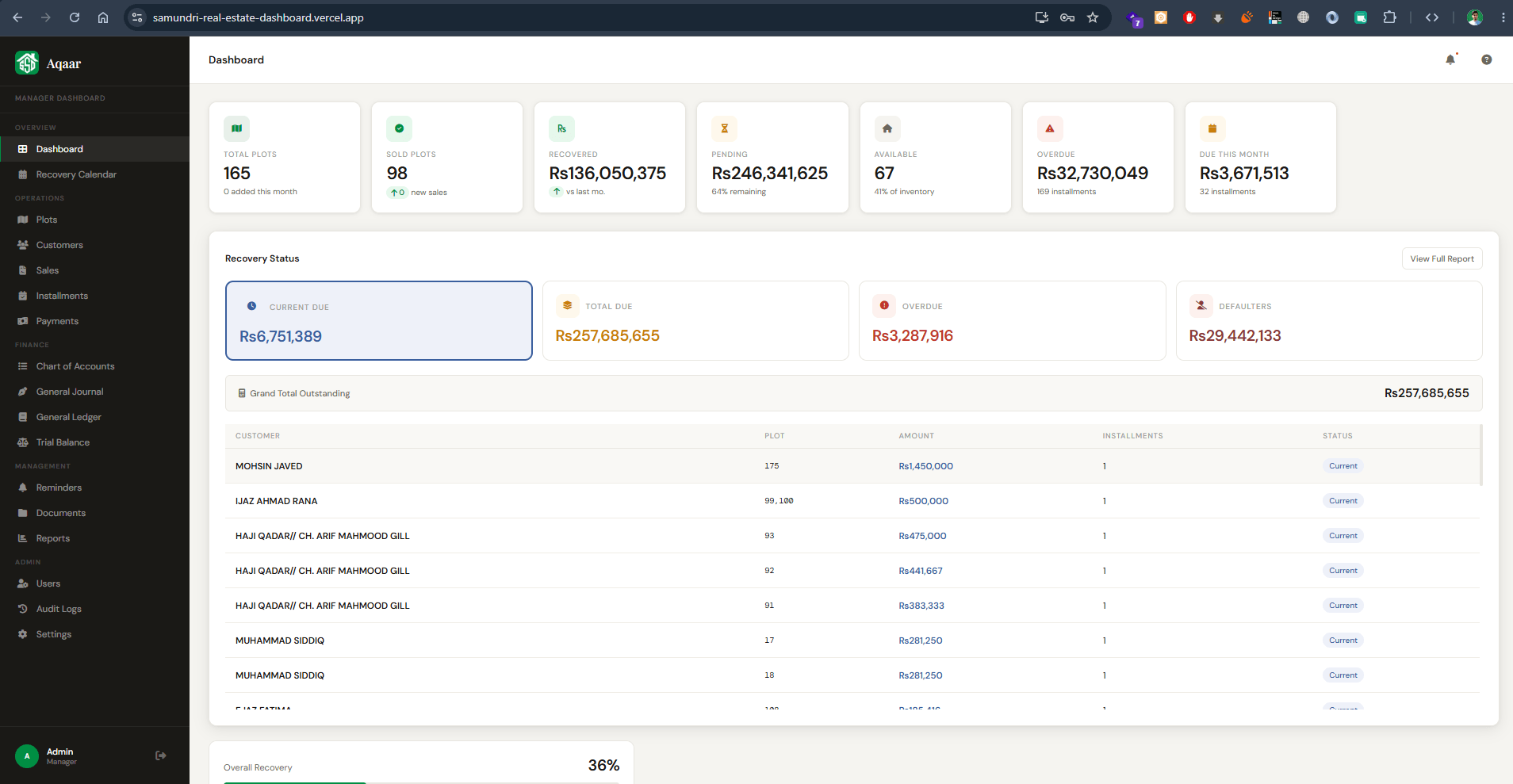
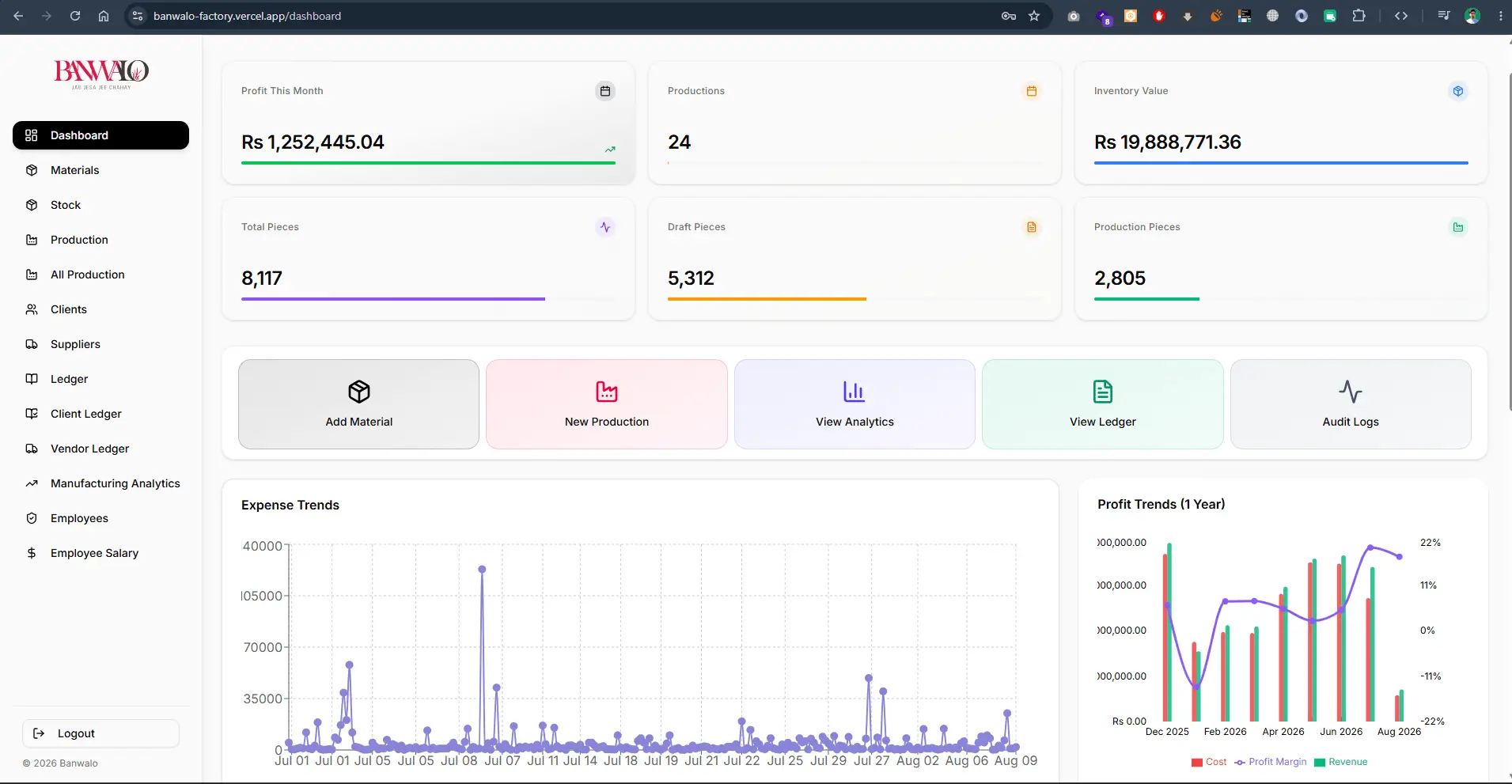
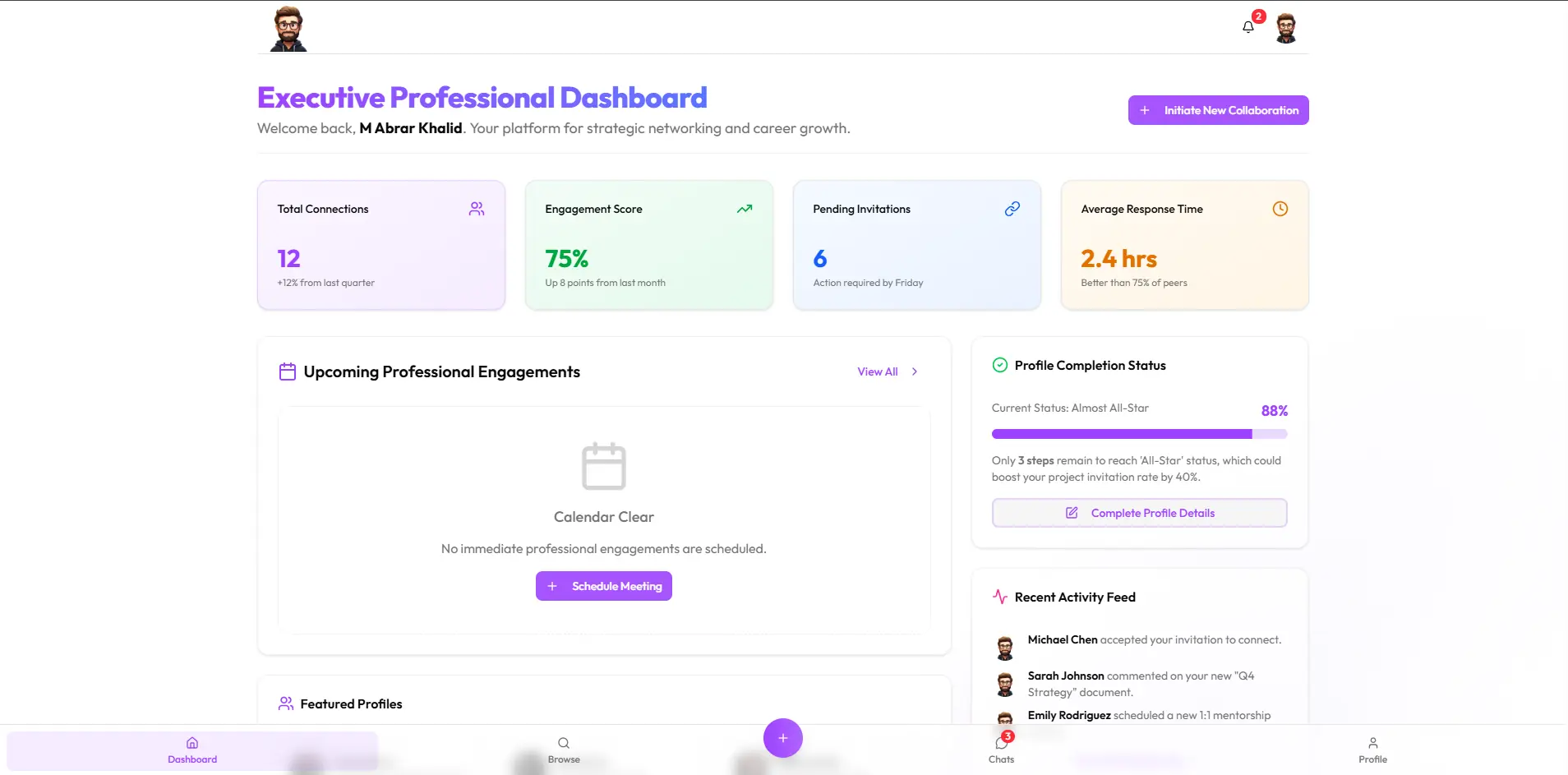
The choice is rarely all-or-nothing. A common, cost-effective pattern keeps proven products for standard jobs, such as accounting and email, and builds a custom layer for the part that is unique: a dashboard that combines data from several tools, a portal for customers, or automation that moves information between systems through their APIs.
Compare the real cost over time
Off-the-shelf costs are subscriptions, setup, training and the hidden cost of workarounds. Custom costs are development, hosting and maintenance. Over three to five years, the comparison often changes: subscriptions grow with headcount, while custom software costs less to run once built. Include the time your team loses to manual steps; it is usually the largest number on either side.
A simple decision checklist
Answer these questions honestly before deciding.
- Would an existing product cover at least most of what we need without awkward workarounds?
- How many hours per week does the gap cost us today?
- Is this process part of how we compete or what we sell?
- Do we need to own the data and decide the roadmap?
- Do we have budget for maintenance after launch?