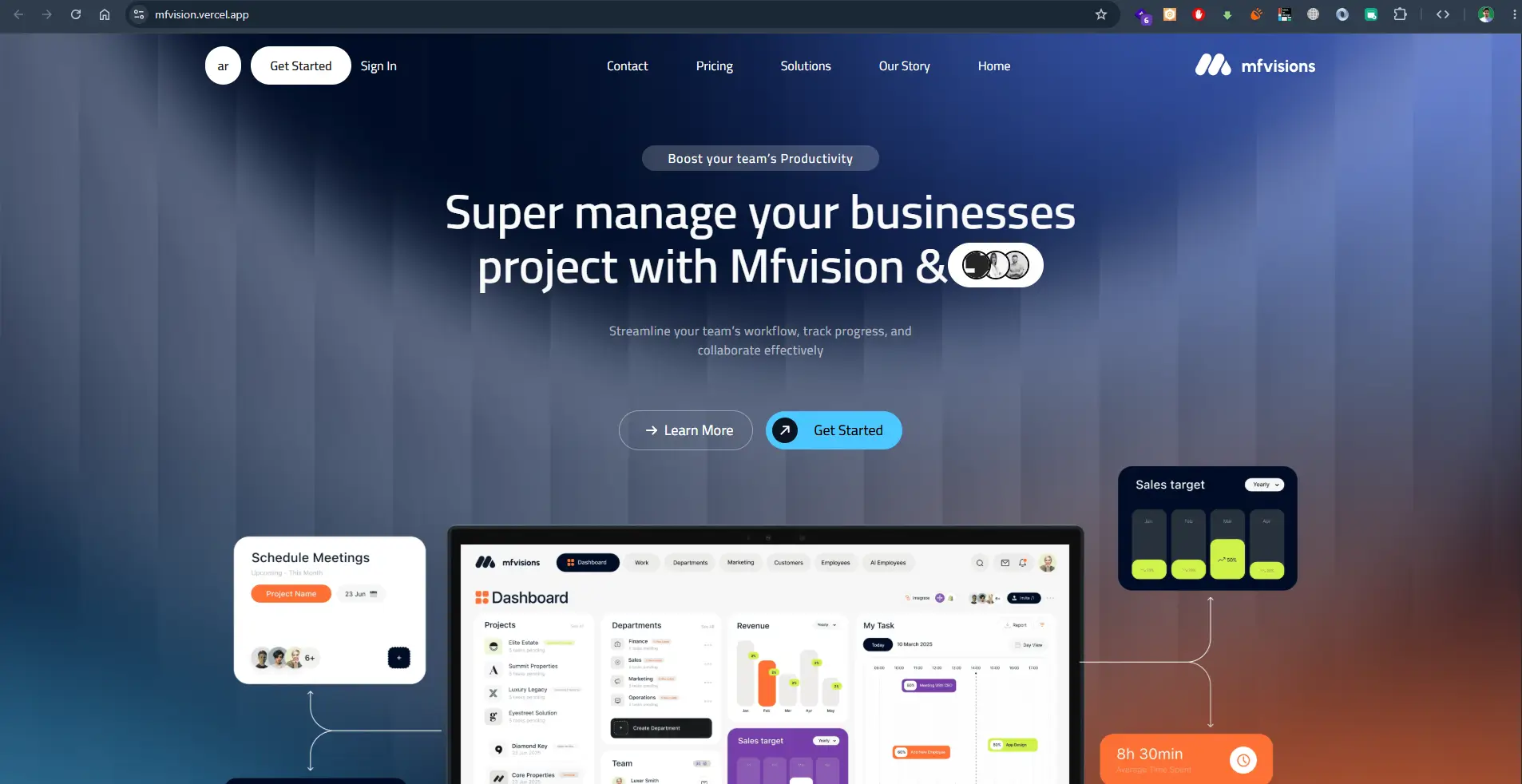
MFVisions Project Management SaaS
Business productivity SaaS platform to manage projects, departments, revenue tracking, team scheduling, and sales targets with a rich dashboard.
Cloud and DevOps work is everything that gets your application from the code repository to a live, secure and recoverable service: hosting, automated deployments, environments, domains, monitoring and backups. I set this up for startups and small to mid-sized businesses shipping web applications, using platforms such as Vercel, Firebase and AWS EC2 with Docker where it helps, and keep it as simple and affordable as the product allows.
The right platform for each part of the app: Vercel for Next.js frontends, Firebase for real-time apps, or an AWS EC2 server with Docker for backends that need more control.
Automated checks and deployments from GitHub, so every change is built and tested the same way and can be rolled back if needed.
Separate development, staging and production setups, with API keys and passwords stored in environment configuration rather than in code.
Domain and DNS configuration, HTTPS certificates, redirects and email records set up correctly, so the site and its emails are trusted.
Uptime checks, error tracking and logs, so failures are noticed and diagnosed quickly instead of reported by customers.
Automated database and file backups, plus a written and tested restore process.
Most startups and business applications do not need Kubernetes clusters or a dedicated operations team. They need deployments that work every time, an environment to test in, alerts when something breaks and backups that restore. I start with managed platforms wherever they fit, because they remove servers you would otherwise have to patch, and move to containers or virtual servers only where the application genuinely needs them.
Everything is set up under your accounts and documented: where the app runs, how it is deployed, where the secrets live and what to do if something fails. Cost is part of the design. I review which services are running, right-size servers and databases, and set billing alerts so there are no surprises.
Business productivity SaaS platform to manage projects, departments, revenue tracking, team scheduling, and sales targets with a rich dashboard.
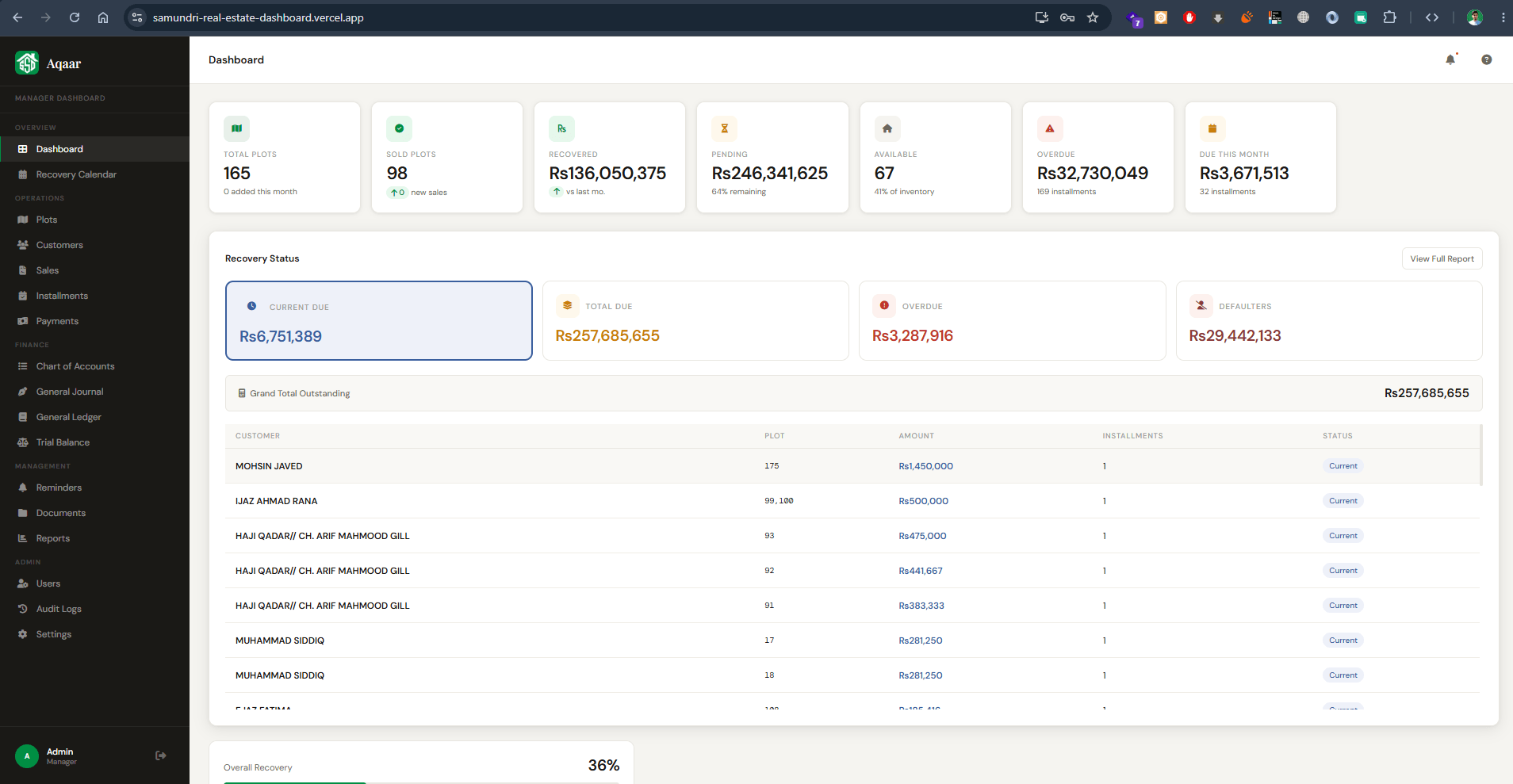
Comprehensive real estate management ERP for tracking property plots, customer installment recoveries, overdue balances, and financial ledgers.
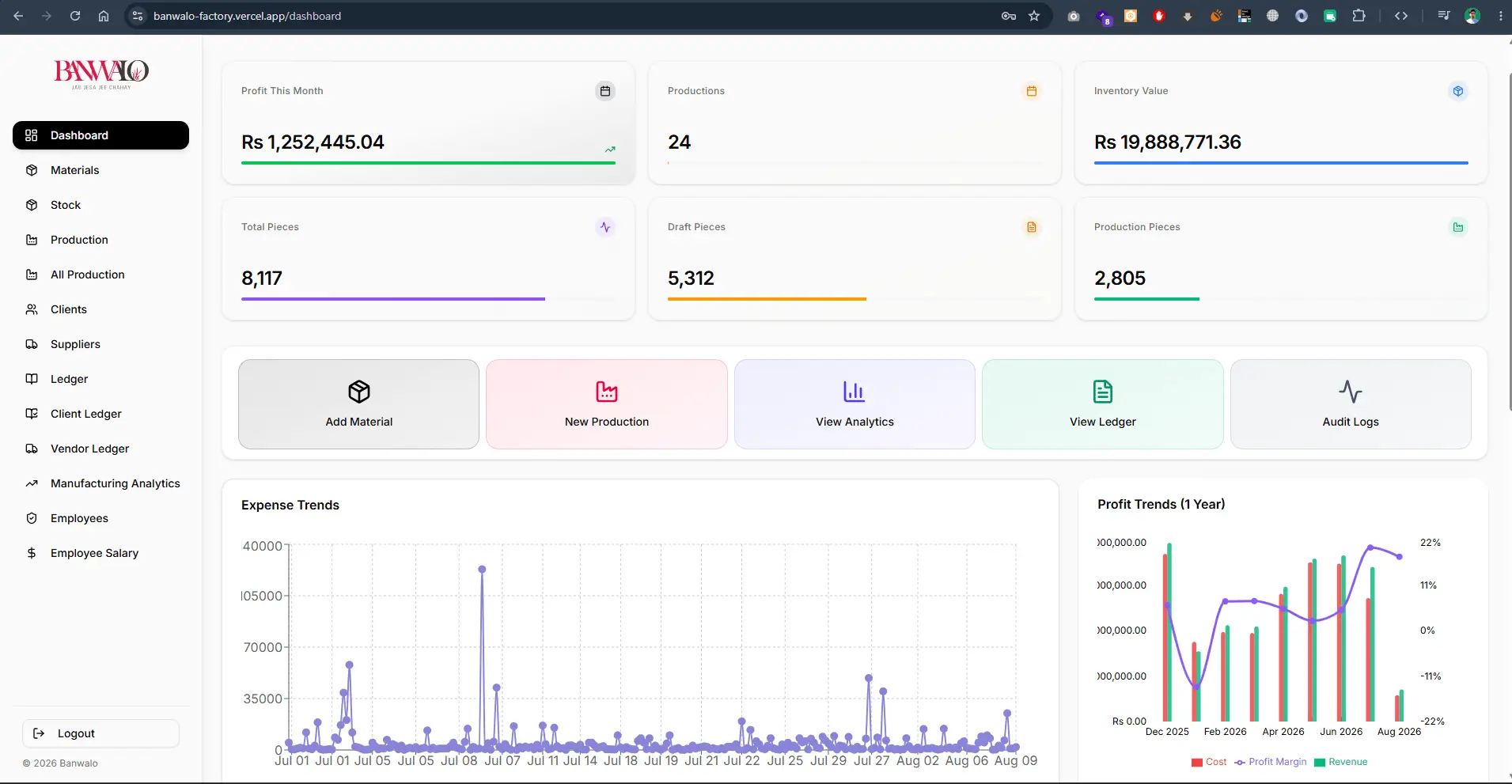
Enterprise manufacturing ERP dashboard tracking live profit trends, raw material stock, production stages, client/vendor ledgers, and automated payroll.
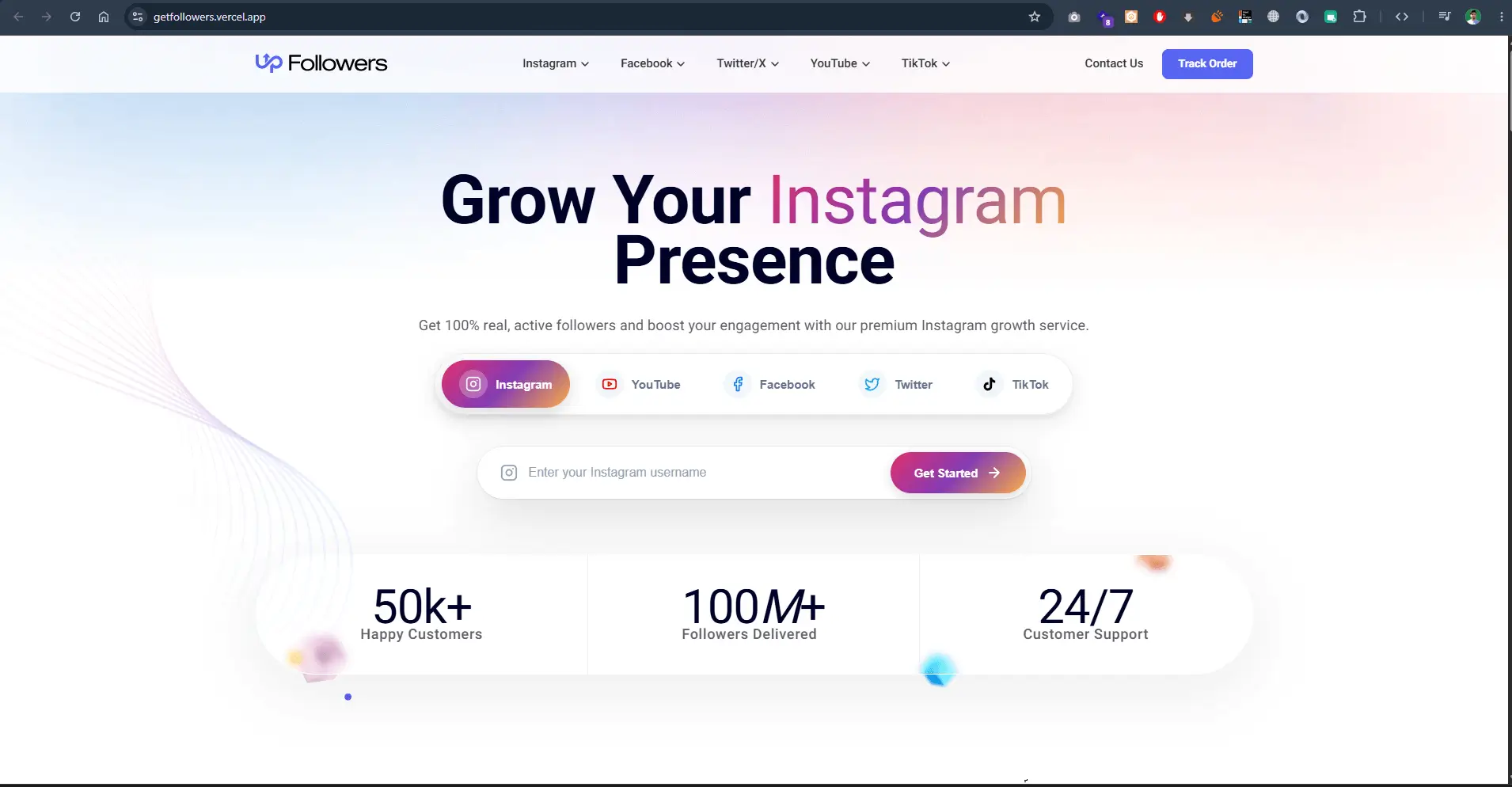
Social media engagement and follower growth SaaS dashboard for Instagram, YouTube, Facebook, Twitter, and TikTok with order tracking and analytics.
Every estimate starts from your requirements. Request a quote with your users, must-have features, timeline and budget range, and I will reply with questions and a suggested first phase.
Many Next.js applications run well on Vercel alone, with a managed database. AWS becomes useful when you need long-running background jobs, custom servers or more control over networking. The choice depends on what the app does, not on what sounds more serious.
No. My focus is web applications for startups and small to mid-sized businesses. If you need multi-region failover, dedicated compliance programmes or a large on-call operation, a specialist DevOps team is the better fit.
Often, yes. Unused services, oversized servers and missing caching are common causes of high bills. A review shows where the money goes before anything is changed.
No. Accounts are in your name, deployment steps are automated and documented, and another developer can take over using the same setup.
Downtime can usually be kept very short by preparing the new environment in advance, lowering DNS caching times and switching during a quiet period. Some database moves need a brief maintenance window, which is planned with you.
Tell me what you want to build, who will use it and when you need it. I will reply with questions and a practical next step.
Discuss your project