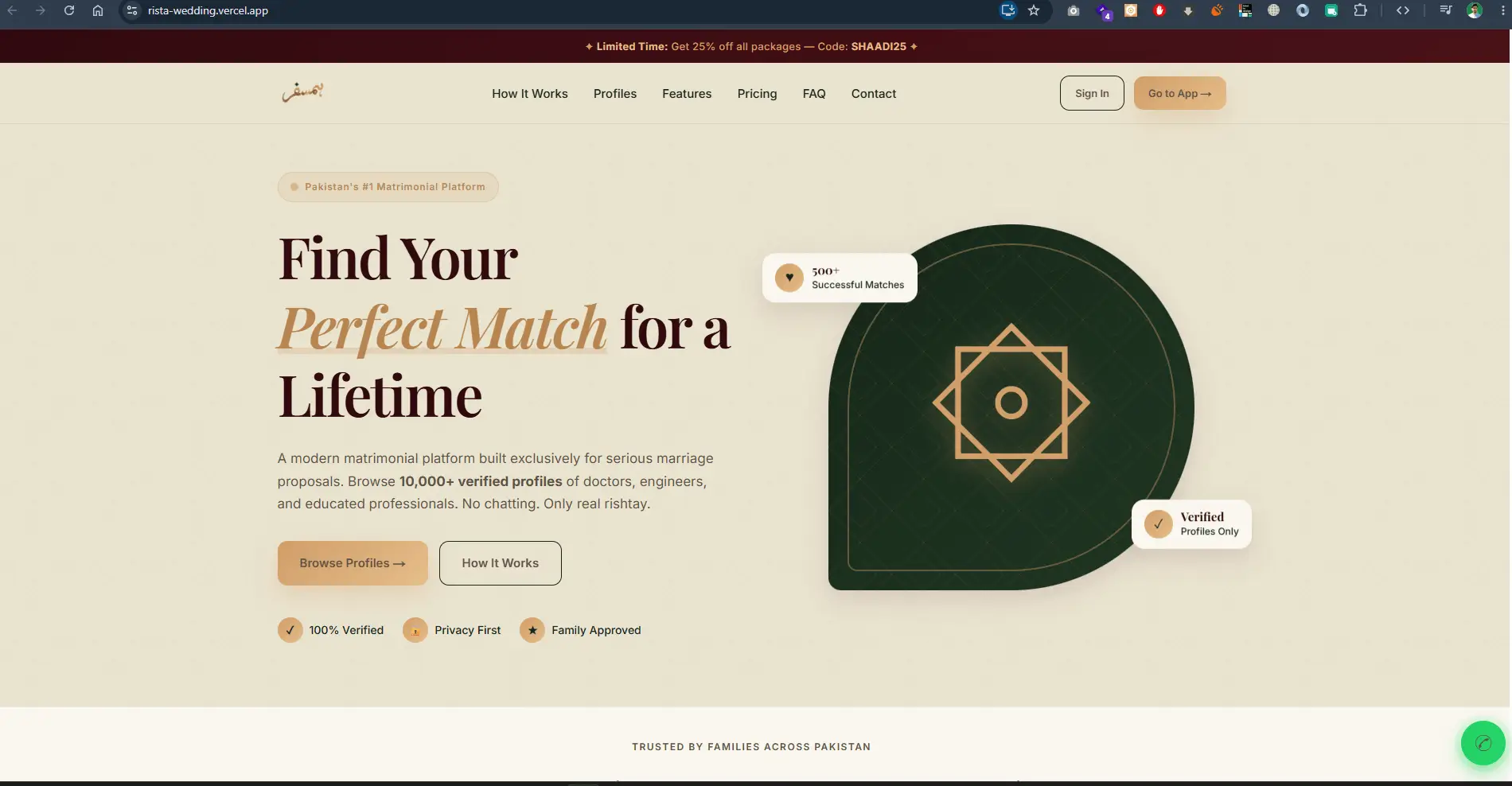
Humsafar Matrimonial Platform
Pakistan's premier matrimonial web application featuring 10,000+ verified educated professional profiles, privacy-first matchmaking, and family approval flows.
A web application is software people use in the browser to get something done: book, apply, buy, manage or collaborate. I build full-stack web applications with React and Next.js on the frontend and Node.js and PostgreSQL on the backend, including accounts, payments, integrations and deployment, so you work with one developer who understands the whole system.
Responsive React interfaces with accessible forms, clear navigation and loading states, built from your designs or designed together with you.
Node.js APIs, business rules, background jobs and email or messaging notifications, with validation on every input.
A PostgreSQL schema designed for your data and queries, with migrations so the structure can evolve safely.
Email, Google or other sign-in options, password reset, roles and access rules enforced on the server.
Stripe and other payment providers, maps, calendars, file storage and third-party APIs.
Hosting on platforms such as Vercel or a cloud provider, environment configuration, monitoring and backups.
Many web application problems appear at the boundary between frontend and backend: a form that accepts data the server rejects, a page that loads slowly because it fetches too much, or a permission that is hidden in the interface but not enforced on the server. Building both sides together avoids those gaps.
I choose rendering per page. Public pages that need search traffic use server rendering or static generation; signed-in areas focus on fast interactions and reliable data. The aim is the simplest architecture that meets the product's real requirements.
Pakistan's premier matrimonial web application featuring 10,000+ verified educated professional profiles, privacy-first matchmaking, and family approval flows.
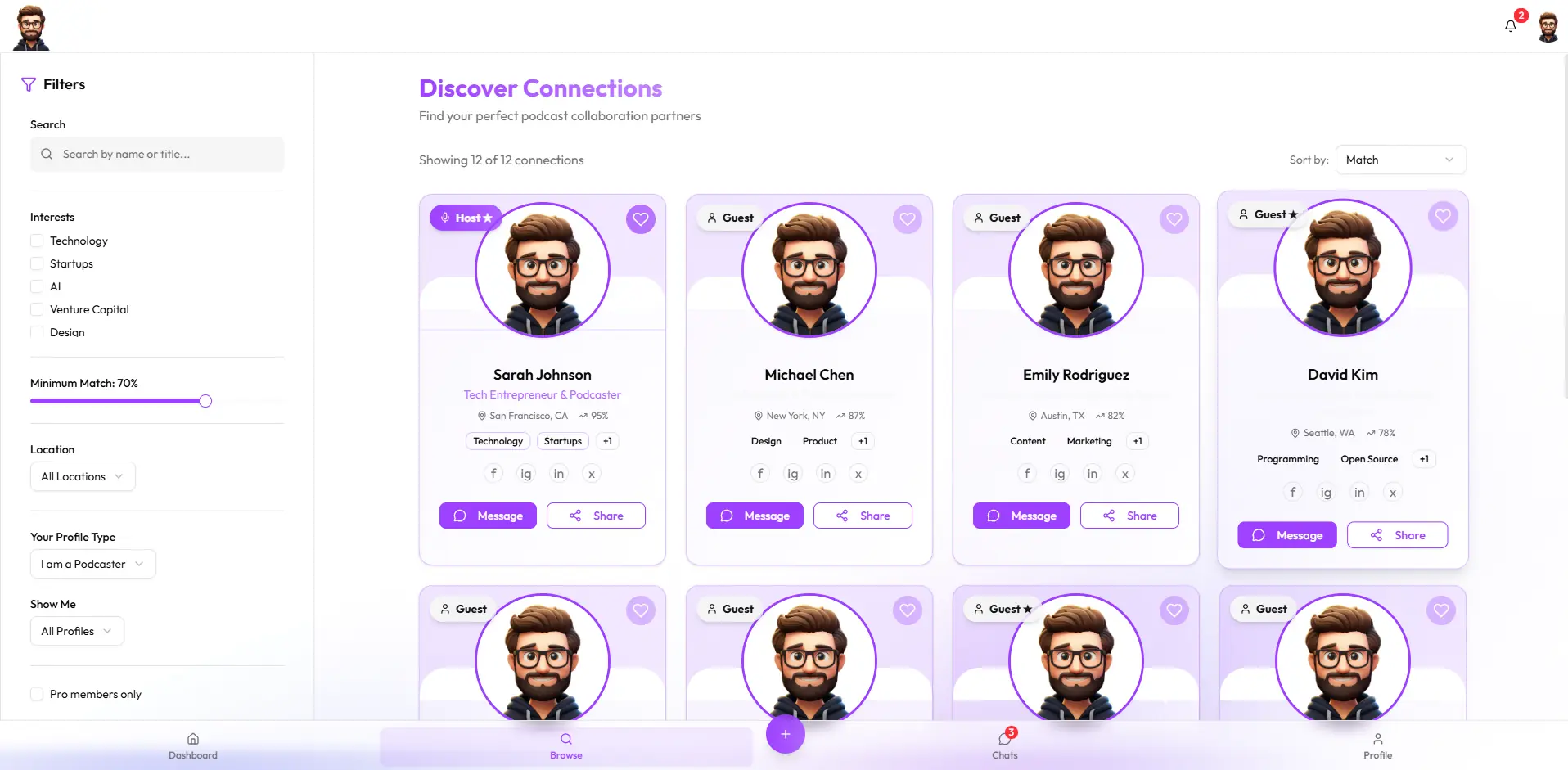
AI-driven podcast matchmaking portal connecting podcast creators and guest experts with filter-based discovery and instant direct messaging.
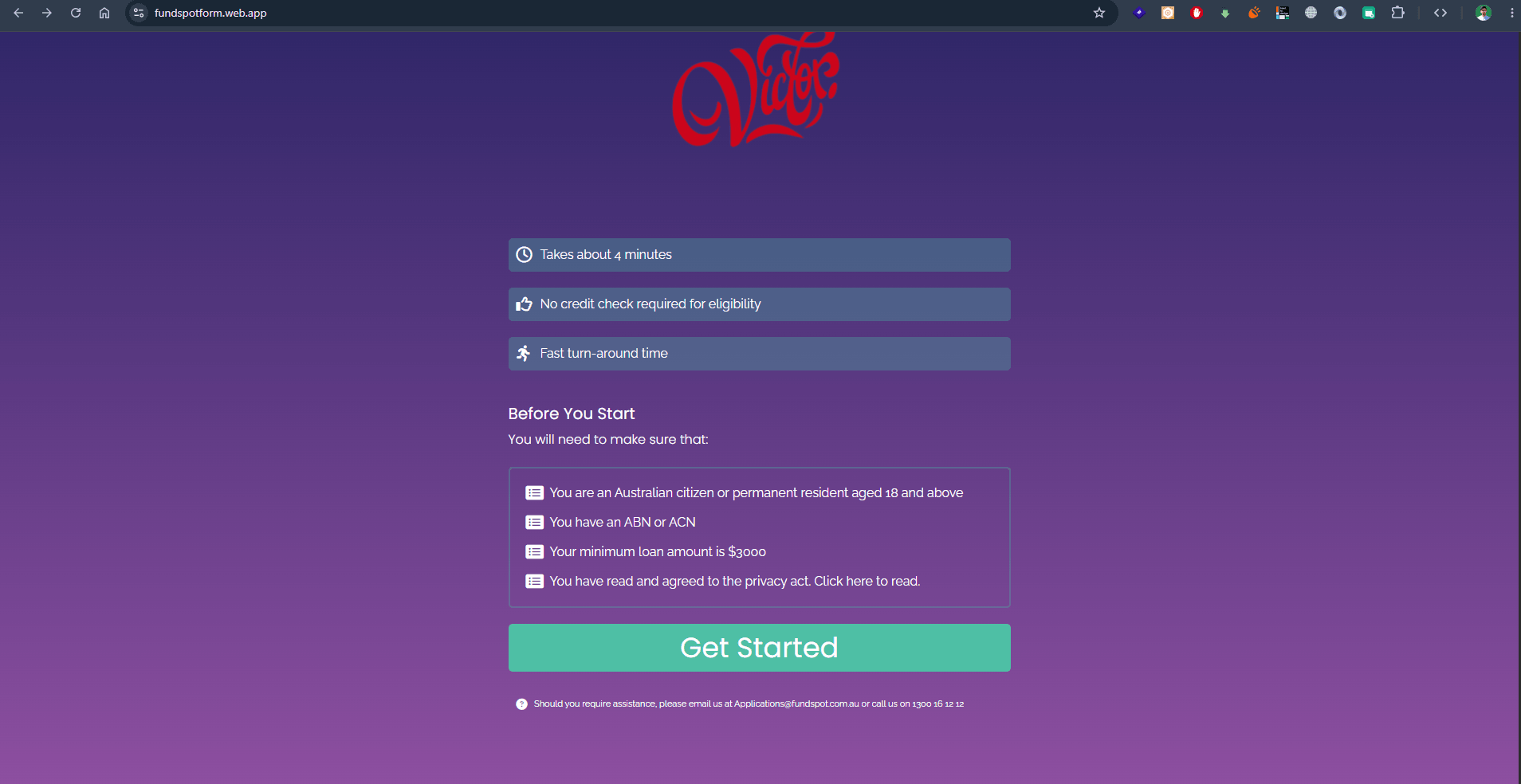
Fast online business loan application form portal for Australian enterprises with ABN verification and instant eligibility checks.
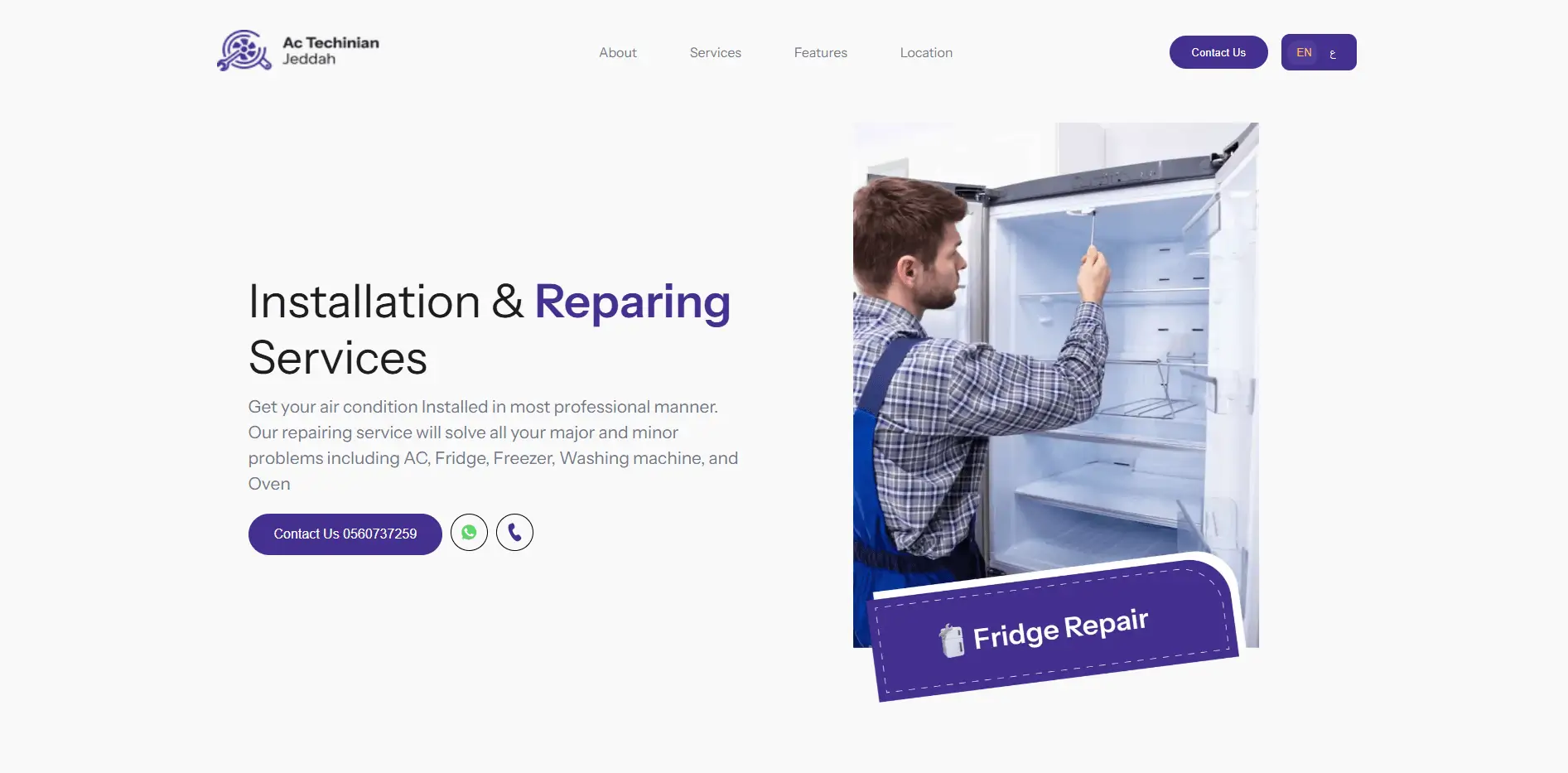
Bilingual (English/Arabic) HVAC and home appliance repair booking platform in Jeddah, Saudi Arabia for AC, Fridge, Washing Machine, and Oven services.
Every estimate starts from your requirements. Request a quote with your users, must-have features, timeline and budget range, and I will reply with questions and a suggested first phase.
Both are possible. I can join an existing team for frontend or backend work, but many clients choose full-stack delivery so one person is responsible for the whole flow.
Yes. I start with a code review covering structure, dependencies, security and performance, then recommend whether to improve the existing codebase or rebuild specific parts.
Yes. Interfaces are responsive by default. If you need app-store distribution or device features, a React Native app can share logic and APIs with the web application.
Server-side validation, access checks on every request, secure session handling, secrets kept out of the code and dependency updates. Sensitive requirements such as payments or personal data are planned from the start.
A description of your users, the main things they need to do, any existing designs or systems, and your target timeline and budget range.
Tell me what you want to build, who will use it and when you need it. I will reply with questions and a practical next step.
Discuss your project