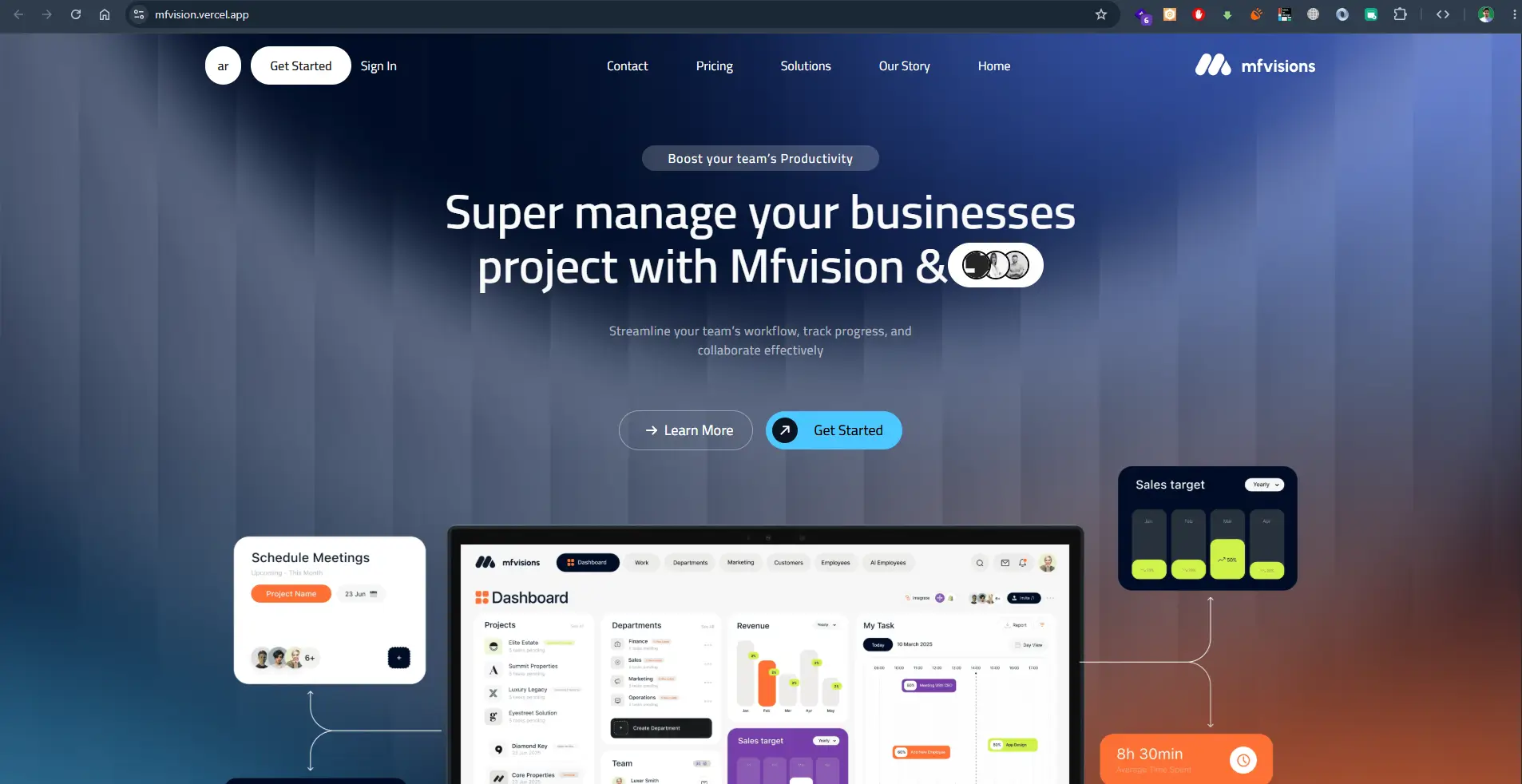
MFVisions Project Management SaaS
Business productivity SaaS platform to manage projects, departments, revenue tracking, team scheduling, and sales targets with a rich dashboard.
SaaS development is building software that customers sign up for and pay for on a subscription. I help founders and companies turn a specific workflow into a SaaS product: first an MVP that proves people will use and pay for it, then the accounts, billing, multi-tenant data and analytics a growing product needs.
Identify the one workflow the product must do well, the smallest feature set that delivers it, and what to leave for later.
Sign-up, onboarding, organisations or workspaces, invitations and roles.
Plans, trials, upgrades and invoices with Stripe, including webhooks so access always matches payment status.
Each customer's data separated and access-checked on the server, designed in from the start rather than added later.
The core screens your customers use every day, plus an internal admin view for support and operations.
Events that show activation, retention and feature use, so roadmap decisions rest on evidence.
An MVP should test a specific promise: this product saves this customer this effort. Features that do not serve that test can wait. At the same time, a few decisions are expensive to change later, notably how tenants' data is separated, how billing state controls access and how users and organisations relate. I get those right early and keep everything else simple.
If the product includes AI features, I plan for their running costs, rate limits and failure cases, and for human review where mistakes matter, so the unit economics still work when usage grows.
Business productivity SaaS platform to manage projects, departments, revenue tracking, team scheduling, and sales targets with a rich dashboard.
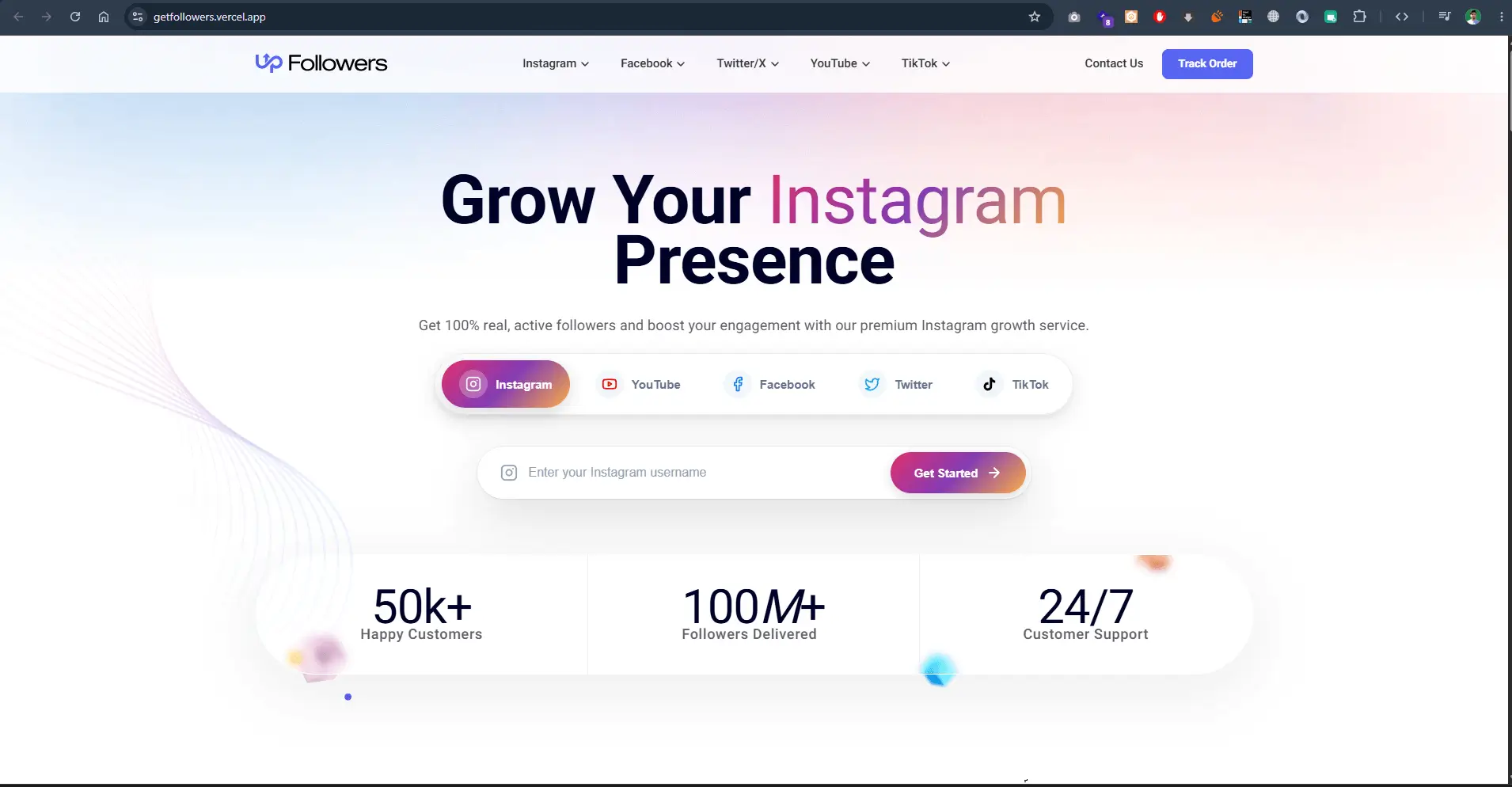
Social media engagement and follower growth SaaS dashboard for Instagram, YouTube, Facebook, Twitter, and TikTok with order tracking and analytics.
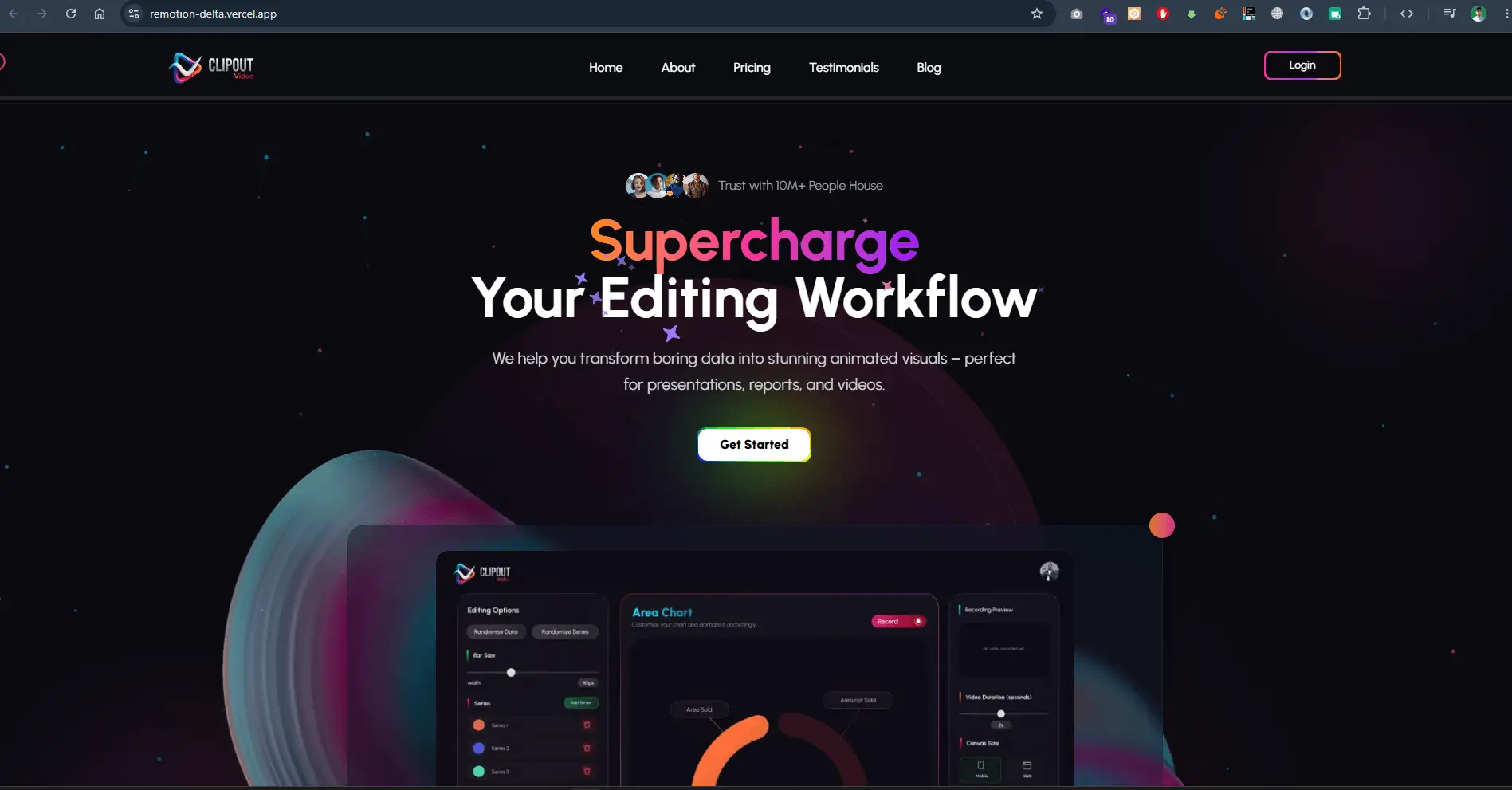
AI-driven video editing and data visualization platform that transforms raw data into animated visuals, presentation videos, and social clips.
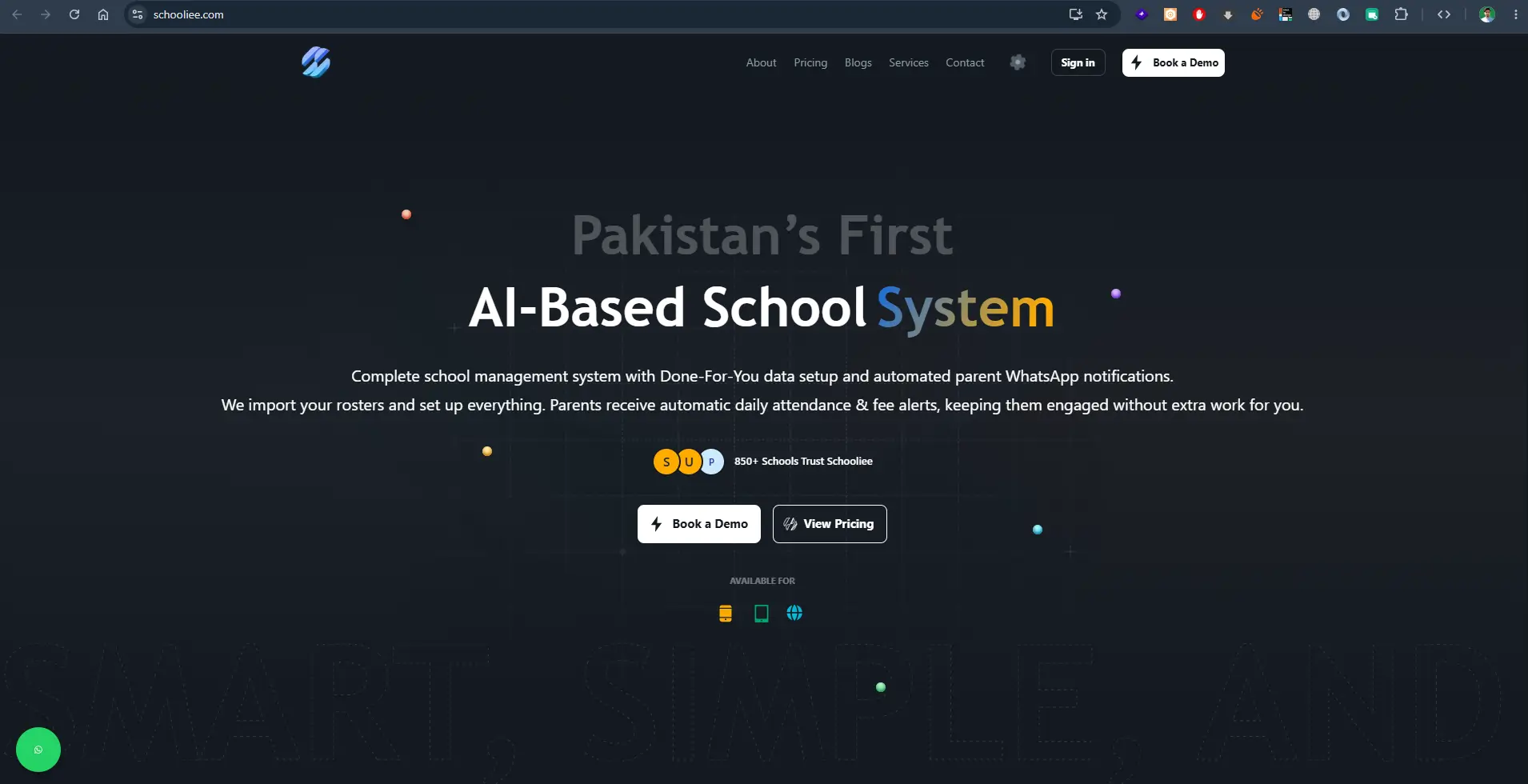
Pakistan's first AI-based school management system featuring automated parent WhatsApp notifications, rosters setup, attendance, and fee alerts.
Every estimate starts from your requirements. Request a quote with your users, must-have features, timeline and budget range, and I will reply with questions and a suggested first phase.
It depends on the scope, integrations and design readiness. A focused MVP that tests one workflow is much faster than a full platform. Send your brief and target launch date and I will suggest what fits in that window.
Multi-tenancy means many customers share the same application while their data stays separated. Almost every B2B SaaS needs it. Designing it in from the start is far cheaper than retrofitting it.
Yes. Stripe billing can be added to an existing product, with access rules tied to subscription status and webhooks keeping both systems in sync.
Yes. Repositories, hosting, Stripe and database accounts belong to you.
Yes. Ongoing work typically covers fixes, performance, new features based on customer feedback, and scaling infrastructure as usage grows.
Tell me what you want to build, who will use it and when you need it. I will reply with questions and a practical next step.
Discuss your project