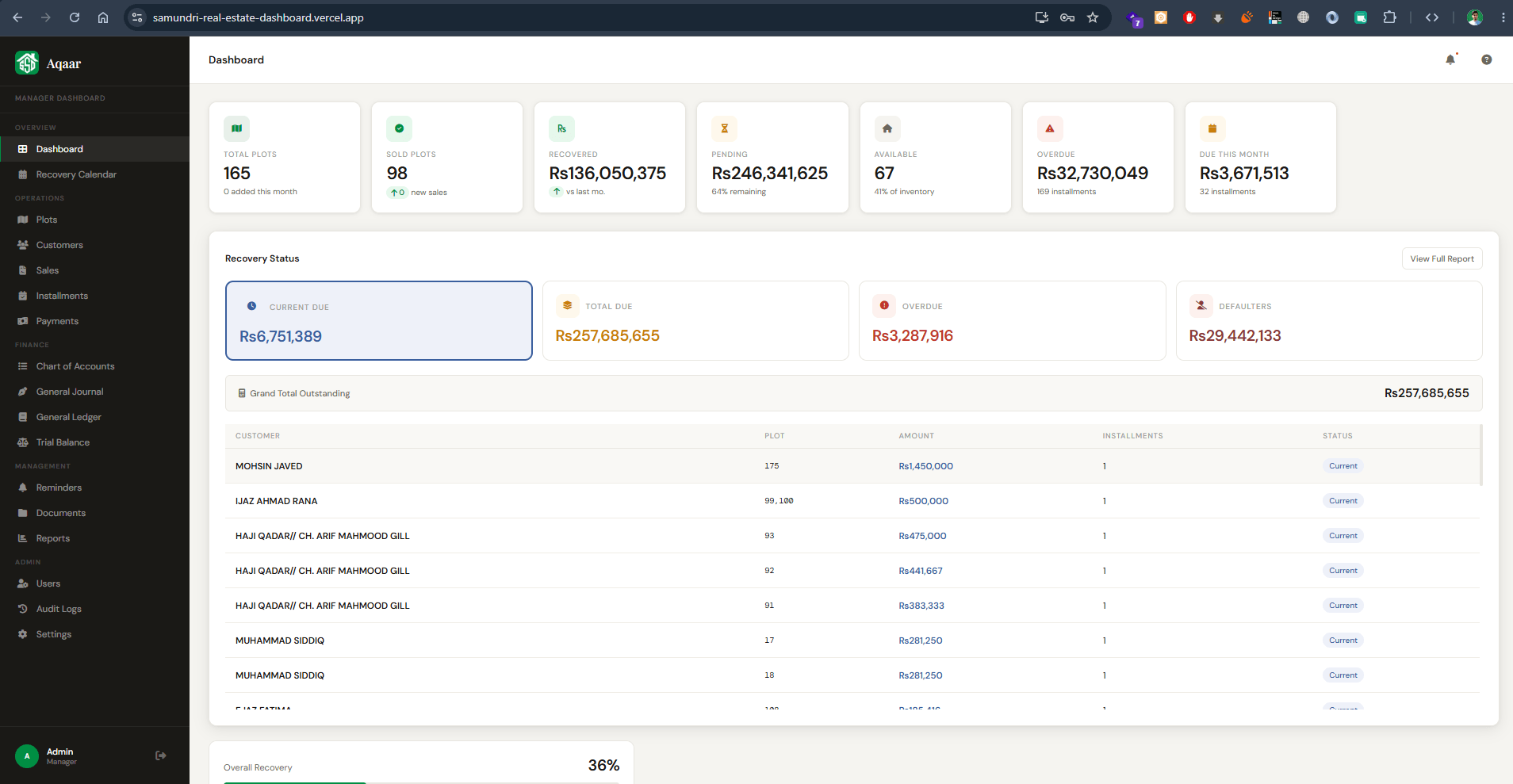
Aqaar Real Estate ERP & Recovery Dashboard
Comprehensive real estate management ERP for tracking property plots, customer installment recoveries, overdue balances, and financial ledgers.
Database design decides how your application stores, relates and protects its data. A well-designed schema keeps records consistent, queries fast and new features easy to add; a poor one causes duplicated data, slow pages and risky changes. I design and improve databases for business applications, mainly PostgreSQL with Prisma, as well as MongoDB and Firebase, including migrations from spreadsheets or legacy systems.
Entities, relationships and constraints designed from your business rules, so invalid data cannot be stored.
Version-controlled schema changes with Prisma or SQL migrations, safe to apply in production.
Query analysis, indexes and restructuring for slow pages, reports and dashboards.
Cleaning, de-duplicating and importing data from spreadsheets or legacy systems, with checks that totals match.
Least-privilege access, separation of customer data in multi-tenant systems and protection of sensitive fields.
Automated backups and a tested restore process, so data loss is recoverable.
Databases outlive interfaces. Screens change every few months, but customer, order, payment and inventory records may need to stay correct for years. I model data around the real business entities and rules, use constraints so the database itself rejects invalid records, and document why the structure is the way it is.
For performance problems, I measure before changing anything. Most slow applications are fixed by a few targeted indexes, better queries or reporting tables, rather than a new database technology.
Comprehensive real estate management ERP for tracking property plots, customer installment recoveries, overdue balances, and financial ledgers.
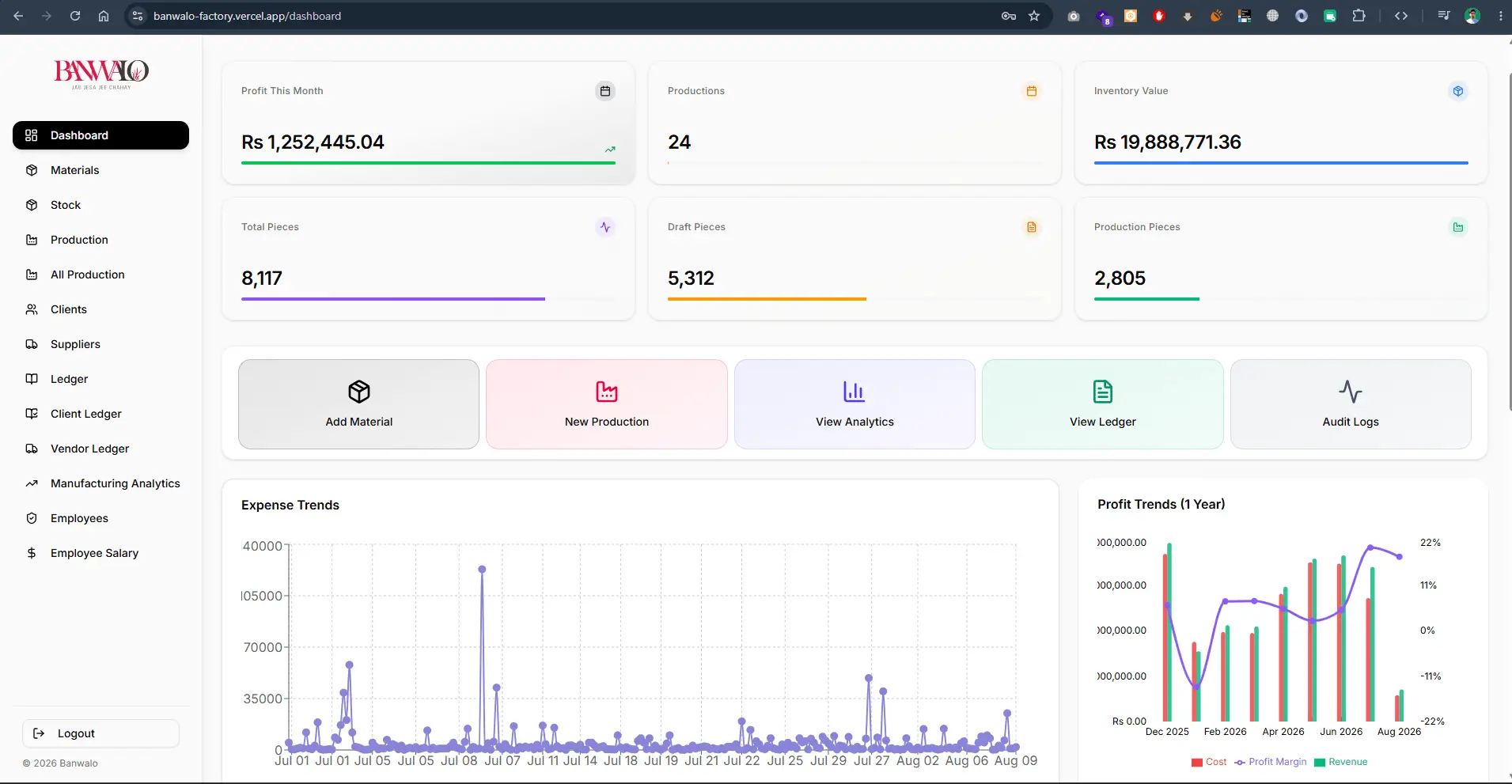
Enterprise manufacturing ERP dashboard tracking live profit trends, raw material stock, production stages, client/vendor ledgers, and automated payroll.
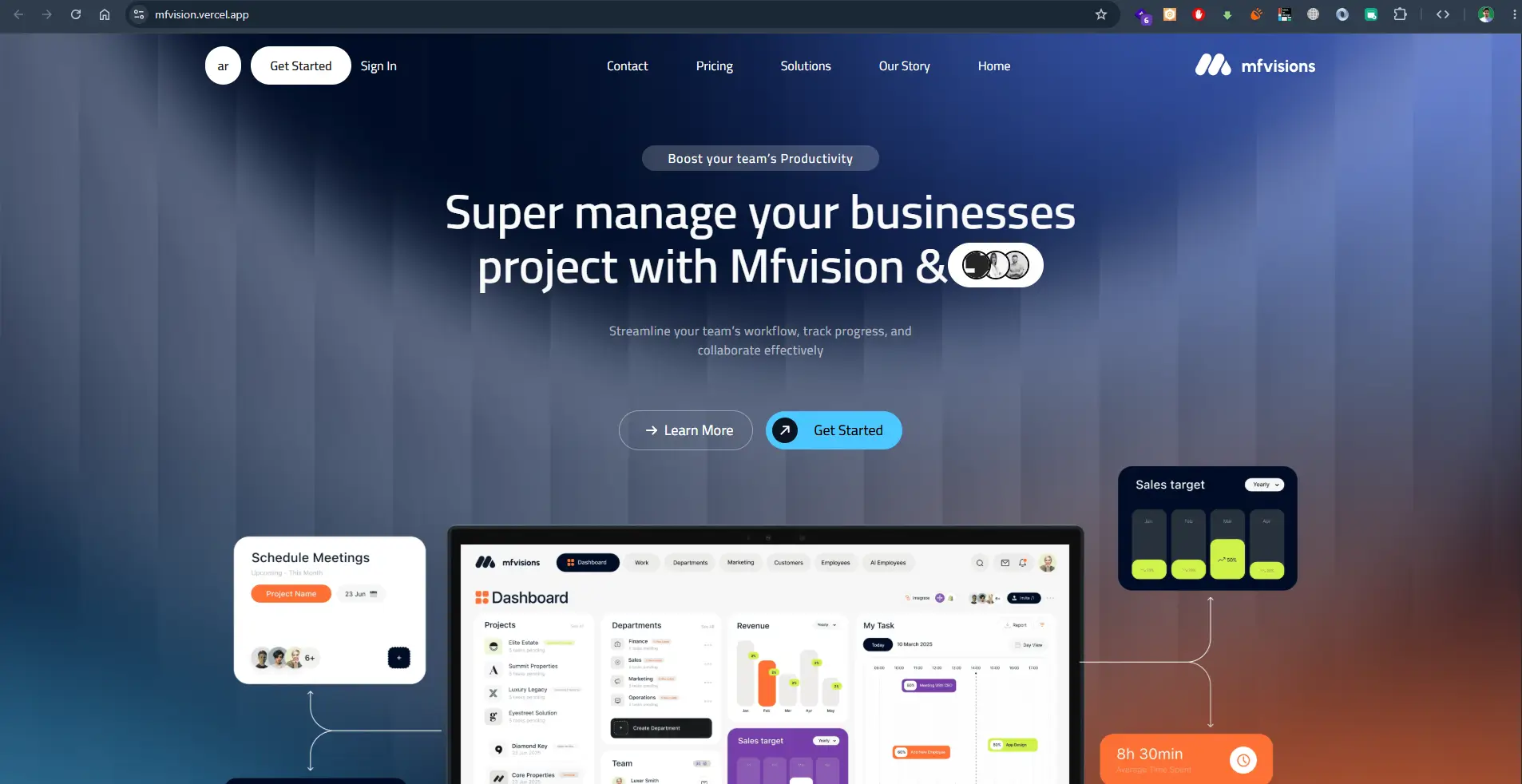
Business productivity SaaS platform to manage projects, departments, revenue tracking, team scheduling, and sales targets with a rich dashboard.
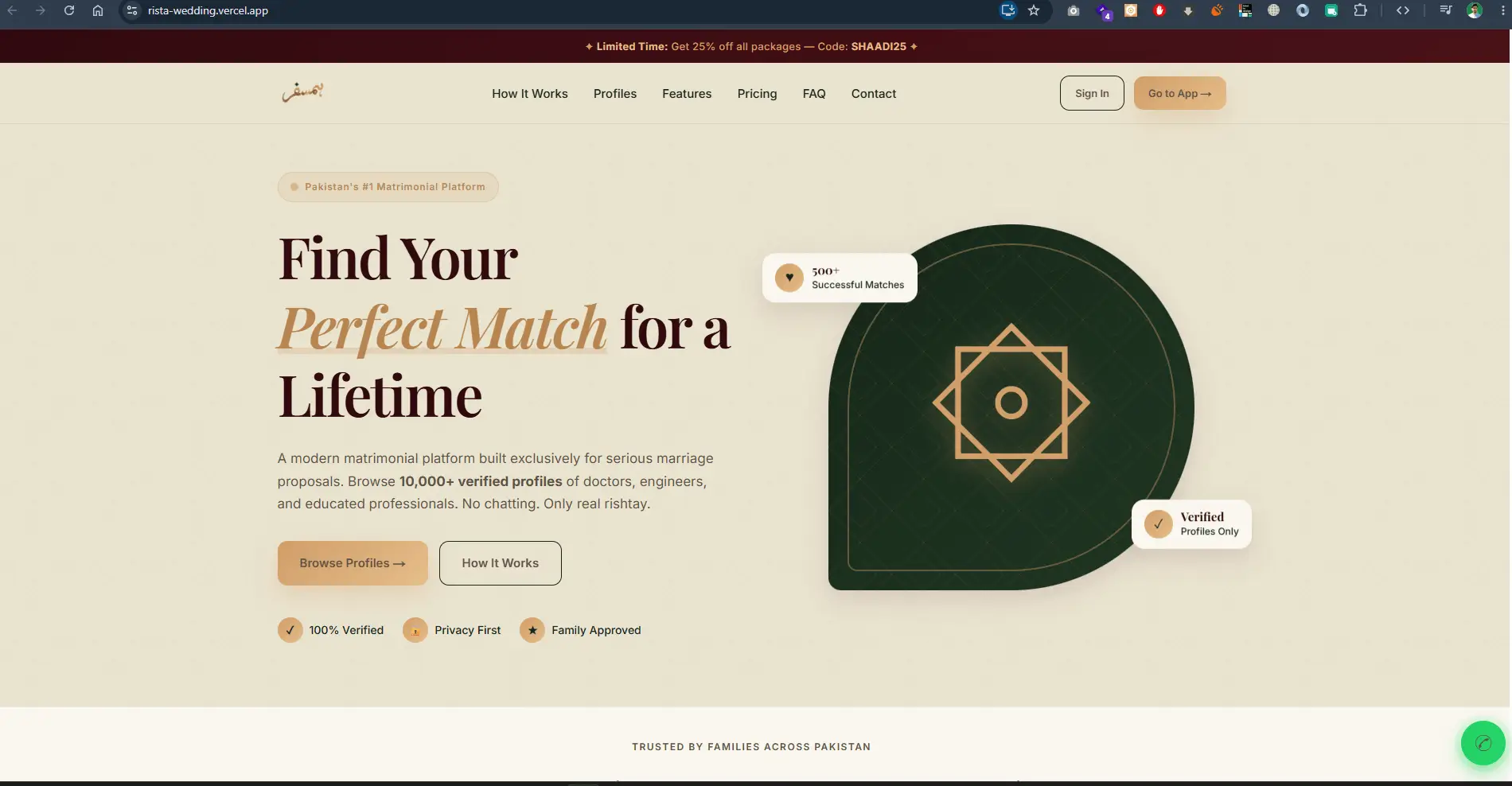
Pakistan's premier matrimonial web application featuring 10,000+ verified educated professional profiles, privacy-first matchmaking, and family approval flows.
Every estimate starts from your requirements. Request a quote with your users, must-have features, timeline and budget range, and I will reply with questions and a suggested first phase.
Neither is better in general. PostgreSQL suits most business applications with related records and transactions. MongoDB can suit document-shaped or highly variable data. The choice should follow your data and queries.
Usually, yes. Measuring slow queries and adding the right indexes, rewriting problem queries or adding summary tables often brings large improvements without changing the application's structure.
Yes. Data is cleaned, de-duplicated and imported into a structured schema, with reconciliation checks so nothing is lost.
Backups are taken first, migrations run in staging before production, and changes are designed to be reversible where possible.
Yes, including managed PostgreSQL providers, MongoDB Atlas and Firebase. Recommendations take your current hosting into account.
Tell me what you want to build, who will use it and when you need it. I will reply with questions and a practical next step.
Discuss your project