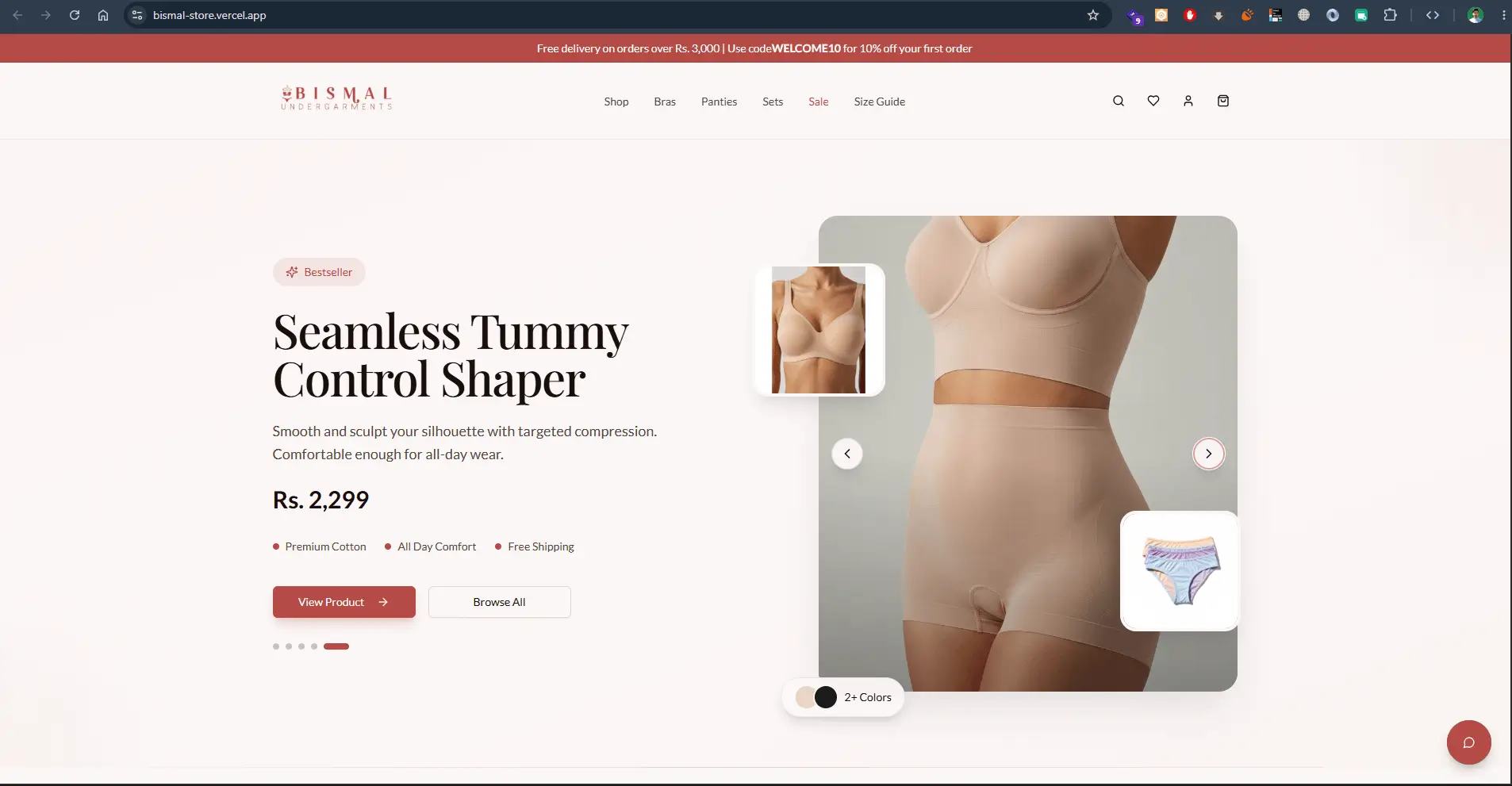
Bismal Apparel Store
Premium online shopping experience for women's apparel and innerwear featuring fluid product carousels and smooth checkout flows.
Custom e-commerce development makes sense when a standard store theme cannot support how you sell: custom product options, bundles, subscriptions, multiple vendors, B2B pricing or a checkout tied to your own operations. I build online stores and marketplaces with Next.js, Stripe and Shopify's APIs, from the product catalogue and checkout to order management and sales reporting.
Product listings, search, filters, product pages and a responsive cart, designed for fast loading on mobile networks.
Stripe or other payment providers, with taxes, shipping rules, discount codes and order confirmation emails.
A custom Next.js storefront connected to Shopify's Storefront and Admin APIs, so your team keeps Shopify's familiar back office.
Admin screens for orders, refunds, inventory and customers, or integration with the tools you already use.
Vendor onboarding, product approval, commission rules and payouts where several sellers share one store.
Product structured data, clean URLs, sitemaps and conversion tracking from product view to purchase.
Payments, tax calculation and fraud checks are solved problems, and rebuilding them adds risk without adding value. I use established providers such as Stripe and Shopify for those parts and put custom development where your store is different: the product experience, the buying flow and how orders connect to your operations.
Store performance has a direct effect on sales, so pages are built to load quickly, images are optimised, and the checkout keeps steps and distractions to a minimum. Every change to the buying flow should be measurable.
Premium online shopping experience for women's apparel and innerwear featuring fluid product carousels and smooth checkout flows.
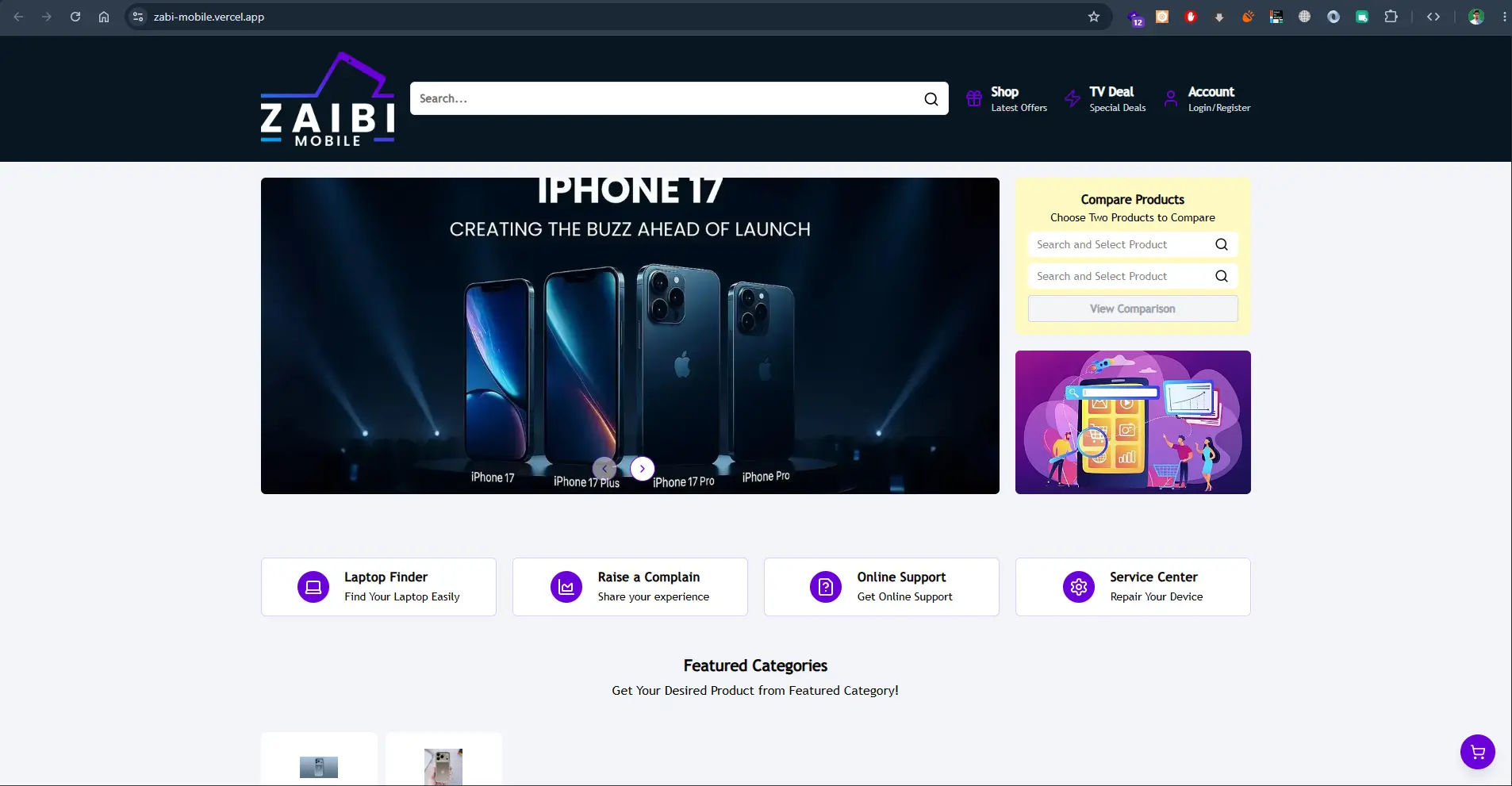
E-commerce tech marketplace for mobile phones and laptops featuring product comparison, repair service bookings, and customer support.
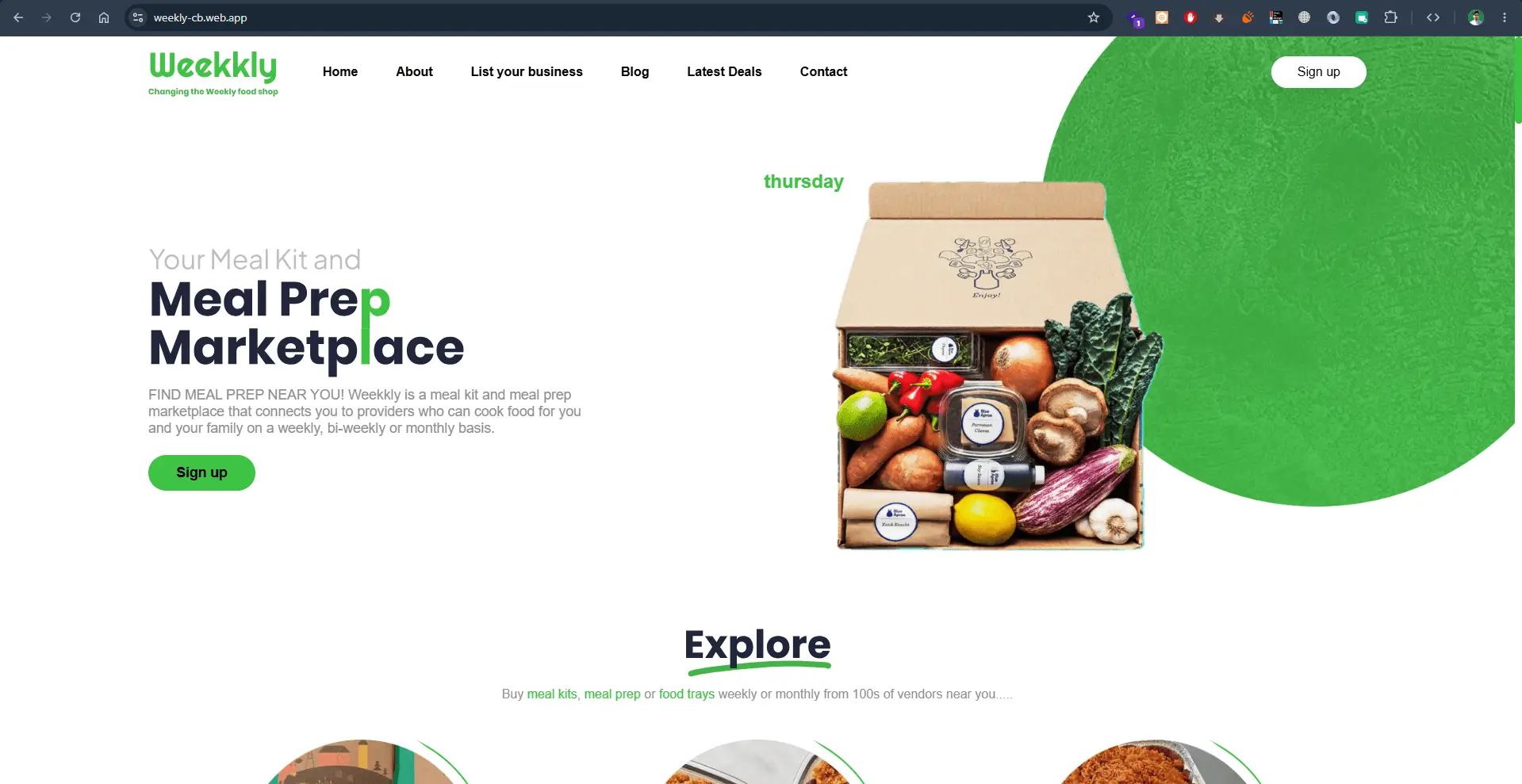
Meal kit & weekly food prep marketplace connecting consumers with local culinary vendors, customized meal plans, and subscription orders.
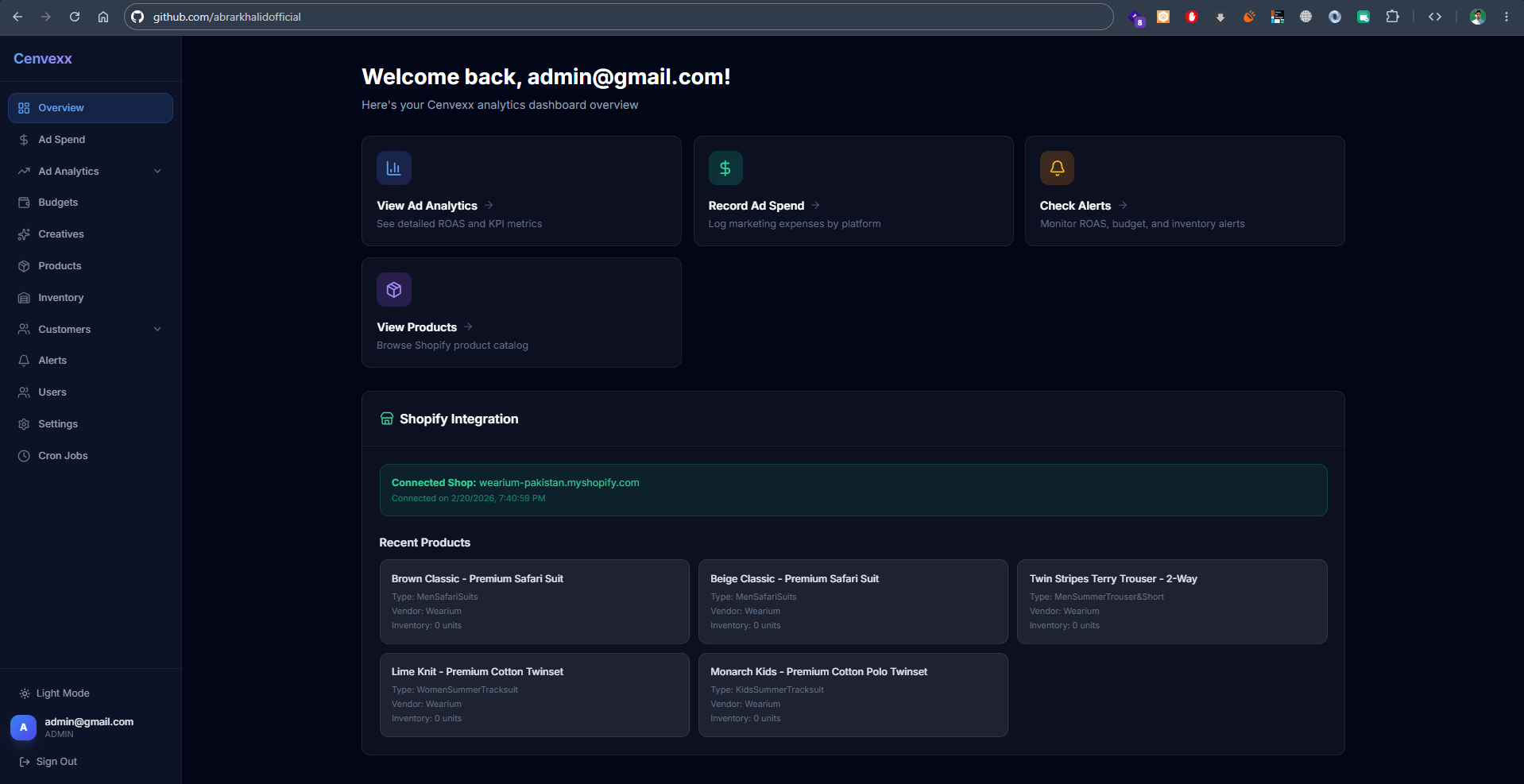
E-commerce ad spend and analytics platform with seamless Shopify store integration, real-time ROAS tracking, and inventory management alerts.
Every estimate starts from your requirements. Request a quote with your users, must-have features, timeline and budget range, and I will reply with questions and a suggested first phase.
Shopify suits most stores and gives you a reliable back office. A headless Shopify storefront adds custom design and performance on top. A fully custom store is worth it for marketplaces, unusual pricing or ordering rules, or when commerce is part of a wider application.
Yes. Products, customers and order history can usually be migrated, and old product and category URLs redirected so search visibility and existing links are preserved.
Card details are handled by the payment provider's hosted fields or pages, so they never touch your server. Orders and webhooks are verified on the server.
Subscriptions are supported through Stripe or Shopify apps. Instalment options depend on the payment providers available in your market.
Yes. Vendor accounts, product approval, commissions and payouts can be built, with payment flows that suit marketplace regulations in your market.
Tell me what you want to build, who will use it and when you need it. I will reply with questions and a practical next step.
Discuss your project