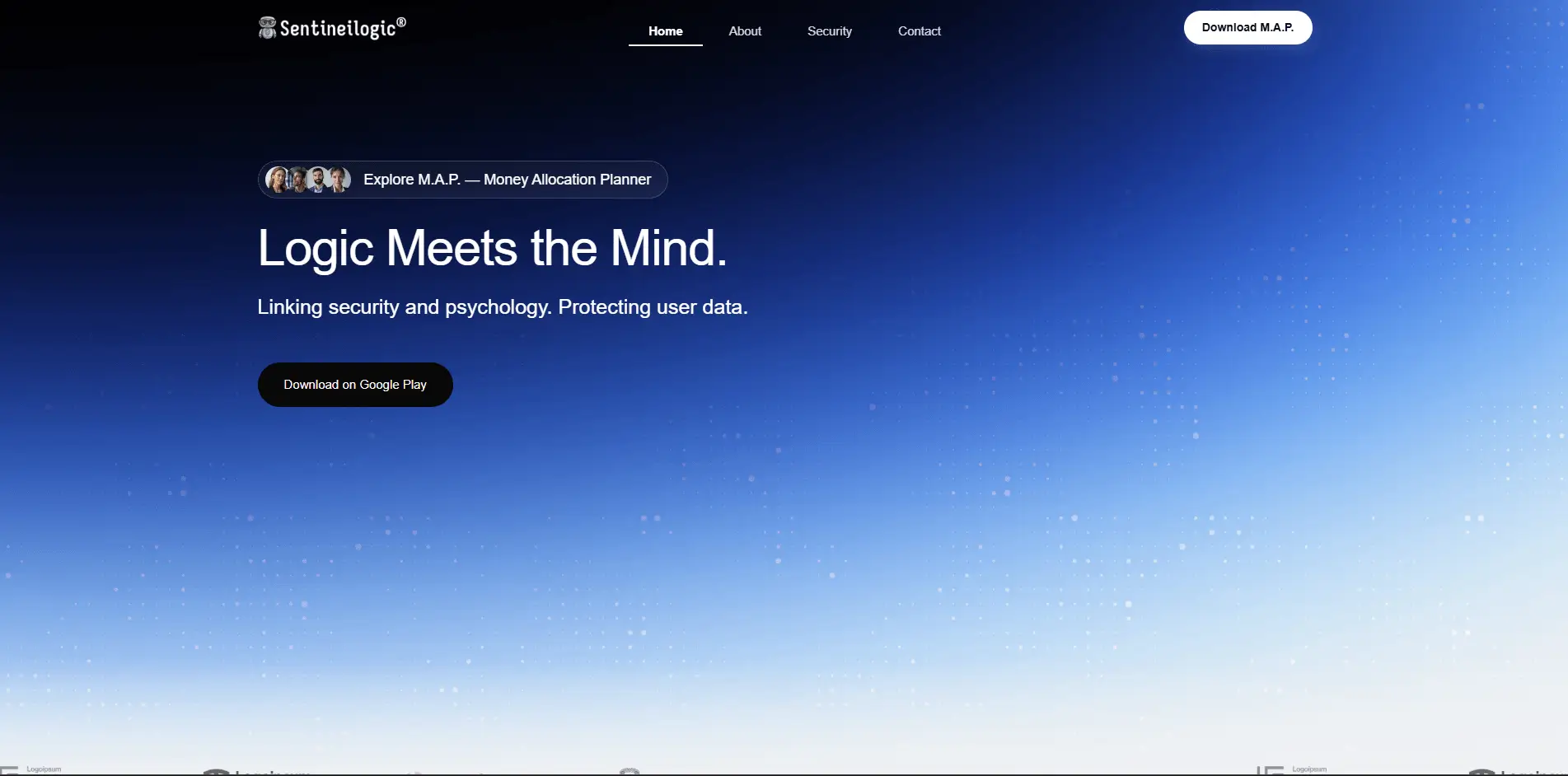
Sentineilogic & M.A.P. Security
Fintech security and Money Allocation Planner (M.A.P.) combining psychological insights, encrypted user data protection, and financial management.
React Native lets one codebase power both iOS and Android apps, which usually means faster delivery and simpler maintenance than two separate native apps. I build mobile apps with React Native and Node.js backends, and progressive web apps where installing from an app store is not necessary, covering authentication, notifications, device features and app store preparation.
Screens, navigation and state management shared across iOS and Android, with platform-specific details where they matter.
Node.js APIs, databases and admin tools that serve the app, or integration with your existing backend.
Email, phone or social sign-in, secure token storage and optional biometric unlock.
Transactional and reminder notifications with user preferences.
Camera, location, maps, file uploads and offline storage, depending on what the app needs.
Builds, icons, screenshots, privacy details and submission support for the App Store and Google Play.
Most of an app's screens and logic can be shared between iOS and Android. Some features, such as certain hardware integrations or background tasks, need platform-specific work. I identify those early so the estimate reflects them, and test on real iOS and Android devices throughout development.
Not every product needs an app store app. If users visit occasionally or the main goal is reach, a progressive web app can be installed from the browser, works offline and costs less to maintain. I will recommend the option that fits how people will actually use the product.
Fintech security and Money Allocation Planner (M.A.P.) combining psychological insights, encrypted user data protection, and financial management.
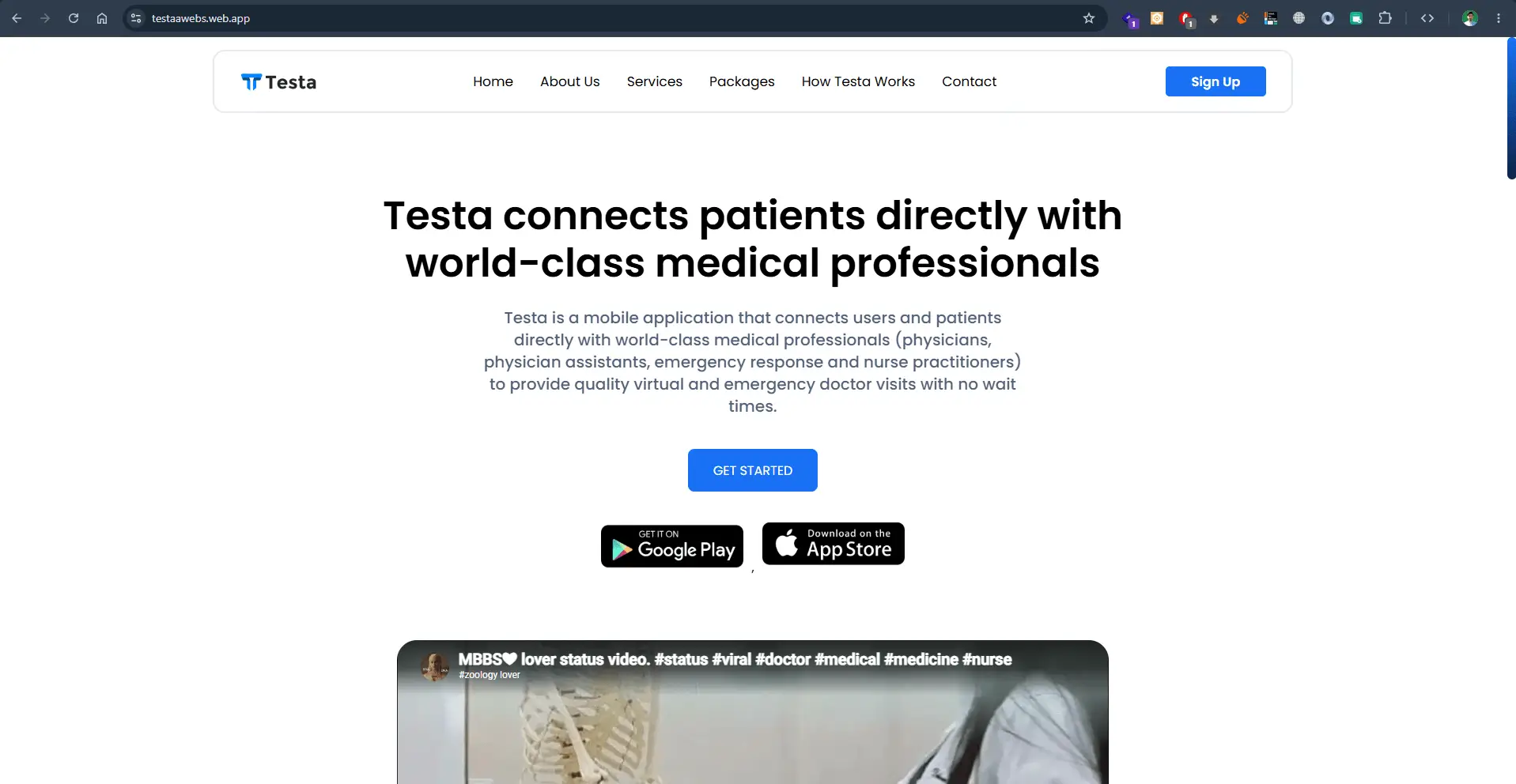
Telehealth mobile application landing portal connecting patients directly with licensed physicians and emergency doctors for instant virtual visits.
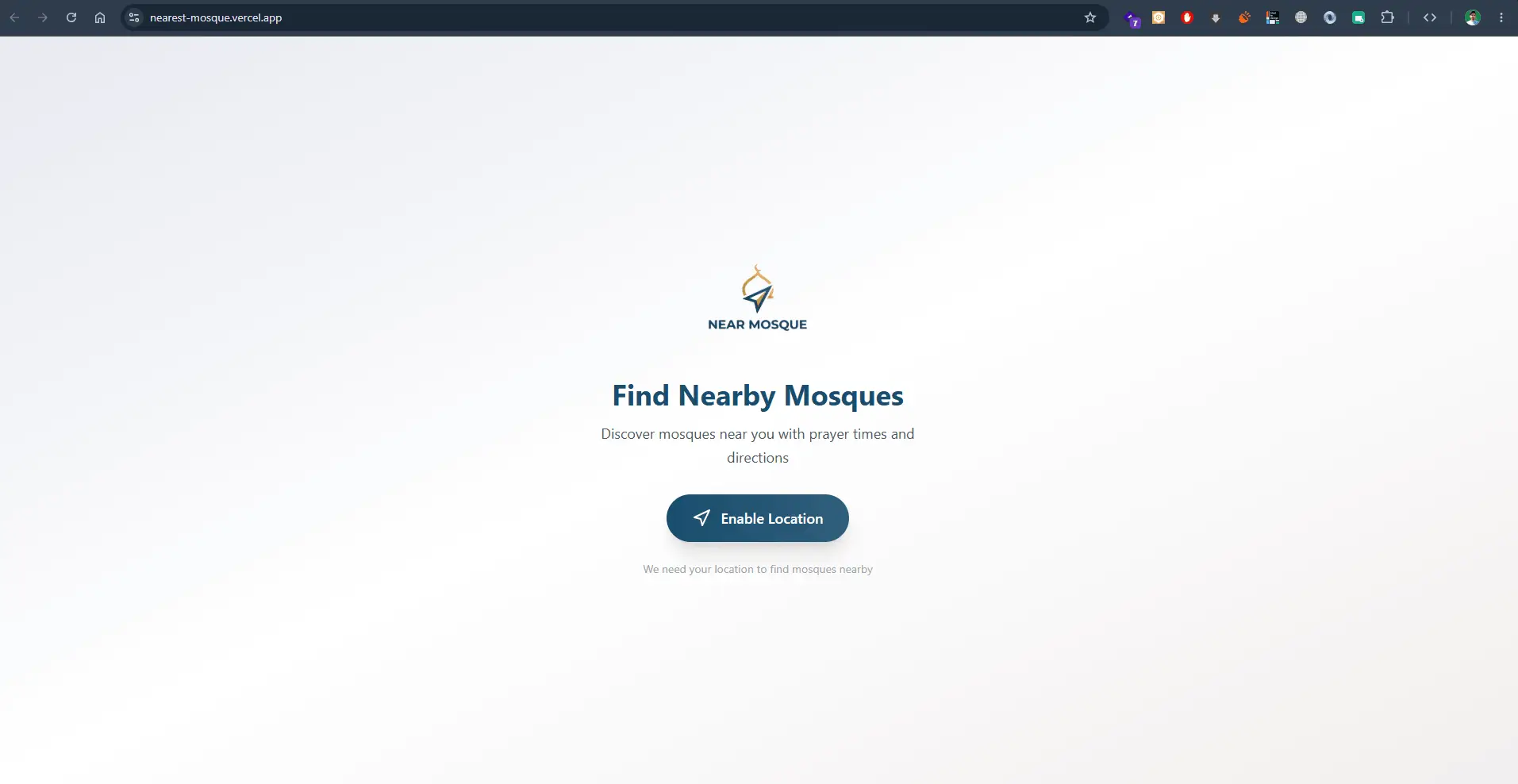
Location-based web app discovering nearby mosques, providing accurate prayer times (Salah), and turn-by-turn navigation directions.
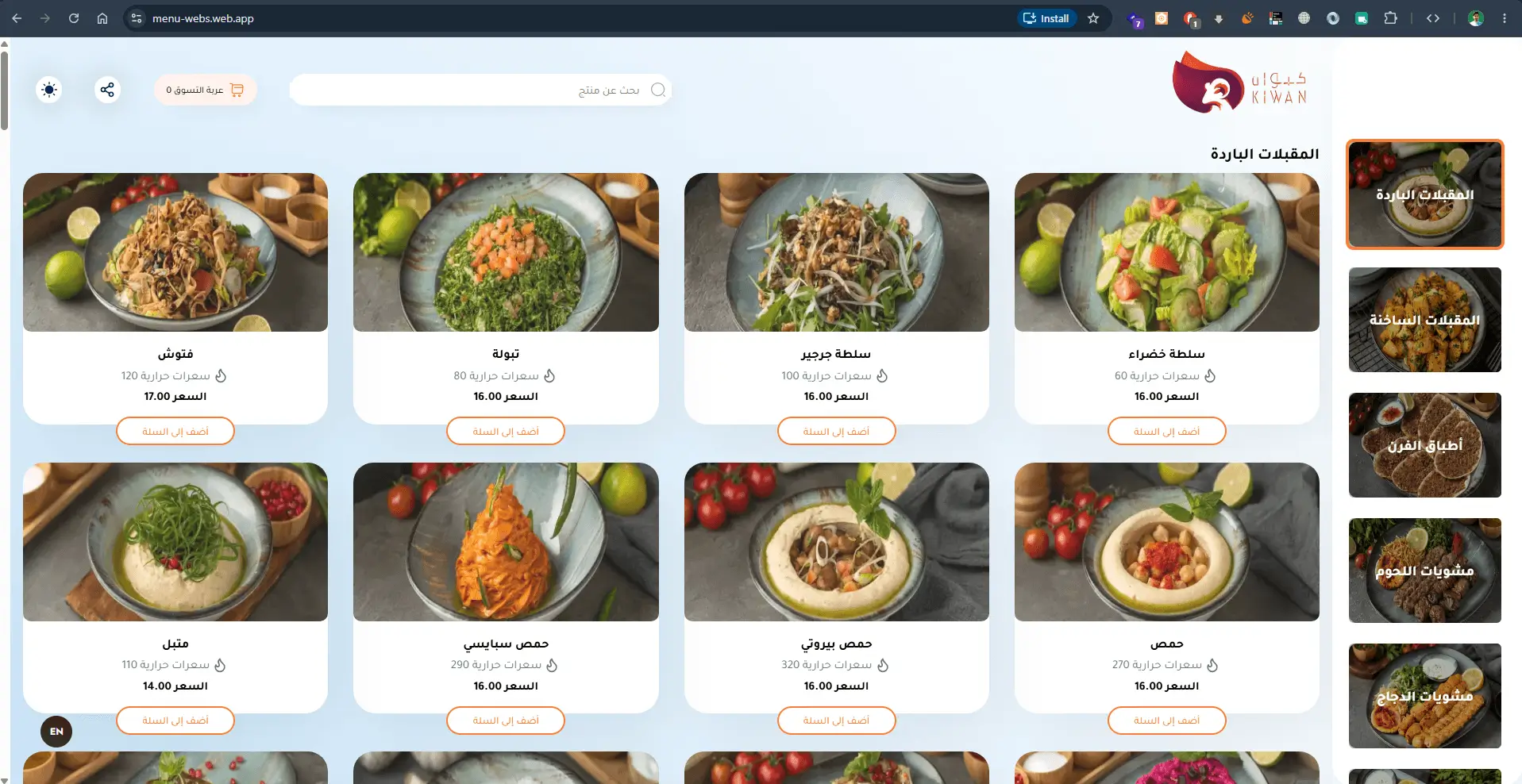
Interactive bilingual (Arabic/English) digital QR code menu and online ordering platform for Kiwan Restaurant with cart checkout.
Every estimate starts from your requirements. Request a quote with your users, must-have features, timeline and budget range, and I will reply with questions and a suggested first phase.
React Native suits most business and consumer apps and lets one team deliver both platforms. Fully native development can make sense for apps built around intensive graphics, complex background processing or very new platform features.
Many features can be shared, but some device integrations need platform-specific code. We confirm the required features early and test on both platforms.
No developer can; Apple and Google control approval. Following their guidelines from the design stage and preparing accurate privacy information reduces the risk of rejection.
Yes. A shared API lets the website and app use the same data, accounts and business rules.
Yes. Apps need updates for new operating system versions, store policy changes and user feedback, and I can provide that ongoing support.
Tell me what you want to build, who will use it and when you need it. I will reply with questions and a practical next step.
Discuss your project