How to choose a software development partner: questions to ask
The right software development partner is the one who understands your problem, has built something similar, communicates clearly and is honest about what they do not know. Price and technology matter, but they are rarely what makes a project succeed or fail. This guide covers what to look for, the questions worth asking before you sign and the warning signs that should make you think twice.
Key takeaways
- Judge partners on relevant past work and how they think about your problem, not on a long list of technologies.
- Ask specific questions about process, communication, ownership and what happens after launch.
- A good partner asks you hard questions and challenges unclear scope before quoting.
- Start with a small paid phase to test the working relationship before committing to a large build.
Start with what you actually need
Before contacting anyone, be clear on the kind of help you need. A website, a business system, a SaaS product and a mobile app call for different strengths. Decide also whether you need someone to simply build to a specification, or a partner who will help shape the product, question assumptions and suggest simpler approaches.
Your budget model matters too. A freelancer or small studio gives direct contact with the people writing the code. An agency adds project management, design and QA layers. An in-house hire makes sense once software is a permanent part of your business. None is better in general; each fits different situations.
How to read a portfolio
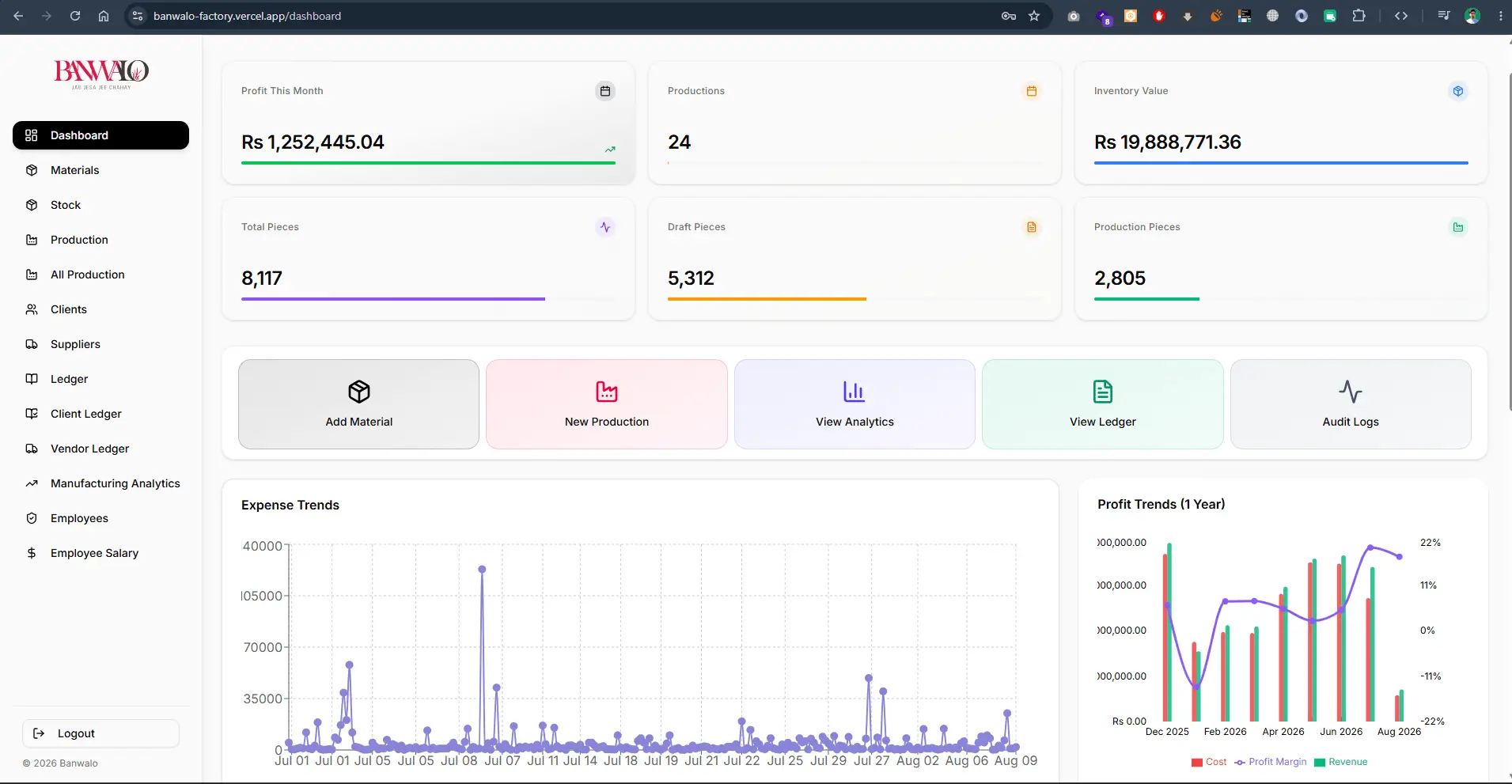
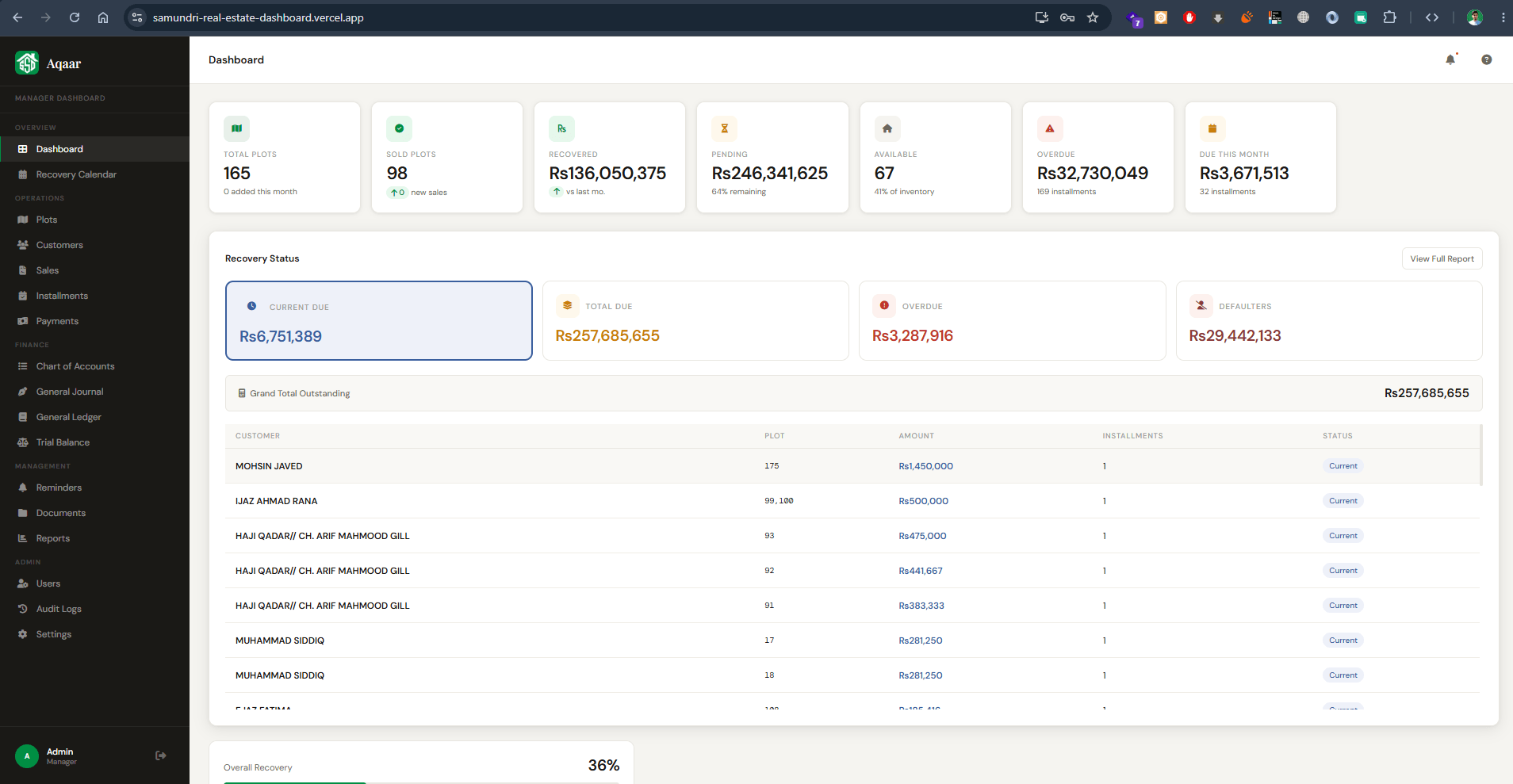
A portfolio shows what a team has shipped, but look past the screenshots. Visit live projects and use them. Are they fast? Do forms work? Does the site behave well on a phone? Look for projects similar to yours in complexity, not just in industry. A team that has built booking systems, dashboards or multi-user platforms will understand the hidden work in yours.
Ask which parts of each project they actually built. Some portfolios include work where the team only did design or a small part of the code. That is fine, as long as it is clear.
If you can, ask to speak with a past client. A short conversation about how the project went, how problems were handled and whether they would hire the same team again is worth more than any number of testimonials on a website.
Questions to ask before you sign
These questions reveal more than any sales presentation. Pay attention to how specific the answers are.
- Have you built something similar, and can I see it working?
- Who exactly will work on my project, and will I speak to them directly?
- How do you break the work into milestones, and what will I see at the end of each?
- How often will we communicate, and through which channels?
- How do you handle changes to scope once development has started?
- Who owns the code, designs and accounts when the project is finished?
- Where will the code be stored, and will I have access throughout?
- How do you test the work before delivering it?
- What happens after launch: support, bug fixes and maintenance?
- What do you see as the biggest risks in this project?
Signs of a good partner
Good partners ask a lot of questions before quoting. They want to know who the users are, what problem the software solves and how success will be measured. They push back when something seems unnecessary or risky, and they suggest simpler options when they exist.
Notice how they talk about their previous clients and projects. Partners who describe problems they solved, trade-offs they made and things they would do differently next time have usually learned from experience. Those who only describe every project as a perfect success are either very lucky or not telling you the whole story.
They are also clear about uncertainty. Saying "I have not used that API before, so I would like a day to check it" is a sign of honesty, not weakness. Finally, they write things down: scope, assumptions, milestones and decisions, so that both sides remember the same agreement.
Warning signs worth walking away from
Some patterns predict trouble with surprising reliability.
- A fixed price for a large project after one short call and no written scope.
- Promises that everything is possible, quickly and cheaply, with no trade-offs mentioned.
- Reluctance to give you access to the code repository or hosting accounts.
- No clear answer about who will do the work, or frequent changes of contact person.
- Pressure to sign quickly or pay most of the budget upfront.
- A portfolio you cannot verify, with no live links or references.
Test the relationship with a small first step
The safest way to choose is to work together on something small first. A paid discovery phase, a clickable prototype or a single well-defined feature shows you how a partner communicates, how they handle feedback and whether they deliver what they promised. If it goes well, the larger project starts with a shared understanding. If it does not, you have learned that cheaply.
Questions readers ask
Should I always choose the cheapest quote?
No. Compare quotes only when they are based on the same written scope, and weigh communication, relevant experience and post-launch support alongside price. Rework and delays usually cost more than the difference between quotes.
Is it risky to work with a remote developer?
Not inherently. Many successful projects are built remotely. The risk is reduced by clear milestones, regular demos, access to the code from day one and a written agreement covering ownership and payment.